
Pain that follows your period is not the only reason to seek specialist assessment: bowel, bladder, ureteric, vaginal, ovarian, and nerve-related findings can change the expertise and tests you need. By the end, you will be able to recognise referral triggers, understand which investigations help, and prepare for a consultation without assuming that surgery is automatically required.
Key takeaways
- Deep pain, bowel or bladder symptoms can signal disease beneath the peritoneal surface.
- Escalate care for persistent pain, organ symptoms, infertility, or abnormal examination findings.
- A surgical consultation evaluates options; it does not commit you to an operation.
- Bring symptom records, scan reports, medication details, and specific questions.
Which symptoms and examination findings suggest deep endometriosis?
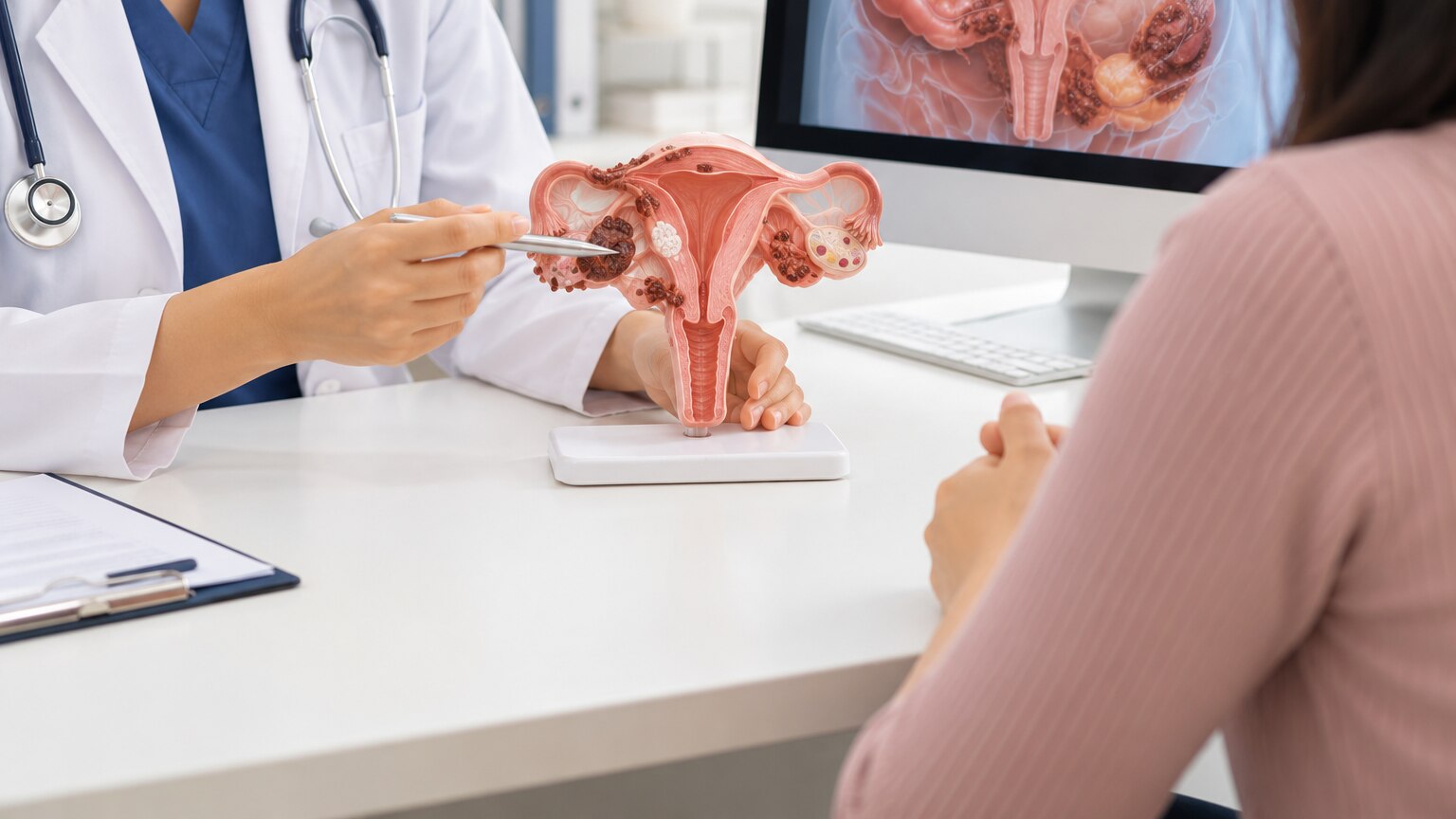
Deep endometriosis means disease extending at least 5 mm beneath the peritoneal surface or attaching to or invading another pelvic organ.
Consult a surgeon experienced in this disease if you have severe painful bowel movements, painful intercourse, cyclical rectal bleeding, urinary pain, blood in the urine, flank pain, difficulty emptying your bladder, or pelvic pain that persists despite medication.
| Finding | Why it matters | What to report |
|---|---|---|
| Examination finding | A fixed pelvic mass, restricted movement of the uterus, tenderness behind the uterus, or an endometrioma can indicate disease needing specialist mapping. | Mention when it was found and whether it has changed |
| Bowel symptoms | Deep infiltrating endometriosis symptoms can reflect rectal or bowel involvement. | Note alternating constipation and diarrhoea, painful bloating, painful defecation, and bleeding |
| Urinary symptoms | Bladder or ureteric disease can cause urinary pain, frequency, haematuria, flank pain, or difficulty emptying. | Record new urinary frequency, blood in urine, and side or back pain |
| Pelvic or nerve-pattern pain | Disease near the pelvic sidewall or nerves can spread pain into the back, buttock, or leg. | Describe the route and whether sitting, walking, or menstruation worsens it |
Painful intercourse endometriosis symptoms deserve assessment even without bowel or urinary complaints. Tell the clinician whether symptoms worsen before or during menstruation, occur every cycle, or continue between periods.
Mild pain does not rule out bowel or urinary involvement, while severe pain does not prove that lesions are deep. Symptom intensity and anatomical depth do not reliably match.
When do symptoms require prompt escalation and targeted testing?
Escalate an endometriosis referral when symptoms worsen, emergency visits recur, or a suspected lesion could obstruct an organ. Inability to pass stool or urine, severe abdominal distension, persistent vomiting, fever, new flank pain, or markedly reduced urine output needs prompt medical assessment.
1. Request expert transvaginal ultrasound when bowel, bladder, ovarian, or pelvic-wall disease is suspected. The examiner’s experience matters; a routine normal ultrasound does not exclude superficial endometriosis or every cause of pelvic pain.
2. Ask whether pelvic MRI endometriosis protocol imaging would map disease more clearly, particularly before complex surgery or when ultrasound findings and symptoms do not match.
3. Arrange renal ultrasound and renal-function blood tests for possible ureteric endometriosis testing. Hydronephrosis endometriosis can block urine flow and damage a kidney even when urinary symptoms are mild or absent.
4. Provide a urine test for pain or blood during urination. Involve urology when obstruction or complex ureteric surgery is possible.
Hydronephrosis, reduced renal function, bowel narrowing on imaging, or cyclical bleeding causing iron-deficiency anaemia warrants coordinated specialist review. These findings concern organ function, not pain severity alone.
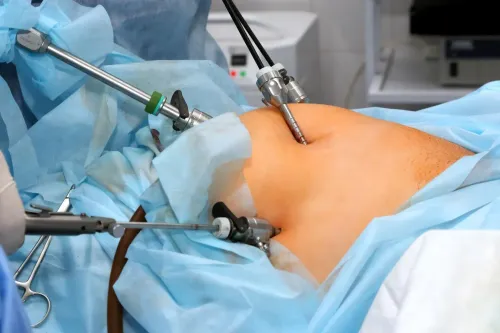
Imaging or an empirical treatment trial can come before diagnostic laparoscopy. Consider laparoscopy when symptoms persist, imaging is inconclusive, treatment is unsuitable, or confirming endometriosis would change management. Seek urgent care rather than waiting for outpatient testing if you cannot pass urine or stool, keep vomiting, develop fever, or produce very little urine.
How is a deep-endometriosis consultation different from a routine appointment?
A routine versus specialist endometriosis consultation differs in scope. A routine appointment may focus on pelvic pain, menstrual symptoms, hormonal treatment, and basic imaging. A deep endometriosis assessment maps possible disease in the bowel, bladder, ureters, vagina, rectum, ovaries, pelvic sidewall, and nerves.
| Appointment type | Main focus | What you should expect |
|---|---|---|
| Routine consultation | Symptoms and first-line treatment | Review of pain, periods, hormonal options, and basic scans |
| Specialist consultation | Organ involvement and treatment planning | Detailed mapping, surgical alternatives, fertility goals, and coordinated care |
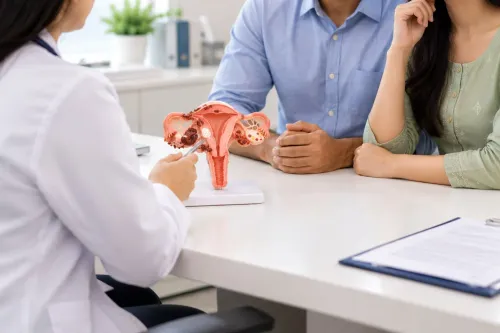
The surgeon will ask you to connect pain, bleeding, bowel movements, urination, and sexual activity to specific cycle days. Bring imaging, radiology reports, prior operative notes, pathology results, and a complete medication history; a pelvic examination may be offered when appropriate.
Ask whether the service includes a multidisciplinary endometriosis team. If findings involve another organ, care may include:
- A colorectal surgeon for bowel shaving, disc excision, or segmental bowel resection
- A urologist for bladder repair or ureteric surgery
- A pelvic-imaging specialist, fertility clinician, or pain specialist
A bowel bladder ureter endometriosis surgeon working with this network is better equipped for disease extending beyond routine gynaecological surgery than a service working alone. The purpose is not to label every symptom as surgical disease. It is to establish the anatomy, protect organ function, and compare medication, monitoring, and surgery.
Does seeing a surgeon mean you need an operation?
No. Seeing a surgeon does not commit you to an operation. Deep endometriosis alone is not an automatic indication for surgery; the deep endometriosis surgery decision should weigh pain, organ-related symptoms, obstruction or loss of function, fertility plans, previous treatment, surgical risks, and your preferences.
| Option | What it means | When it may fit |
|---|---|---|
| Medical treatment and monitoring | Hormonal suppression reduces menstrual activity and pain but does not remove established lesions | Symptoms are controlled and bowel, bladder, and kidney function are safe |
| Surgery | Removes or treats disease, with organ-specific risks | Pain remains disabling, medication is unsuitable, obstruction threatens an organ, imaging shows concerning features, or an endometrioma causes pain, infection risk, or blocks access |
The medical treatment versus surgery endometriosis choice changes if bowel or urinary function is threatened. Ask how lesion depth, bowel narrowing and circumference, prior operations, and the proposed technique alter the chance of complete excision, complications, and recovery.
For an endometrioma, discuss anti-Müllerian hormone, fertility timing, and endometrioma ovarian reserve effects. Bilateral or repeat ovarian surgery can reduce ovarian reserve, so removal solely to improve IVF outcomes is not routinely recommended; pain, suspicious features, infection, obstruction, or impaired follicle access may justify it.
Endometriosis Surgeon in Pune can help map these trade-offs through advanced planning and coordinated care. Seek an endometriosis second opinion before major bowel, bladder, ureteric, or repeat ovarian surgery.
Related services
Endometriosis Surgery Endometriosis surgery is typically performed via laparoscopy, a minimally invasive procedure where a surgeon makes small abdominal incisions to... View service → |
Urinary tract Endometriosis (UTE) occurs when endometrial-like tissue grows on or within the organs of the urinary tract. View service → |
What should you bring and ask at the first specialist visit?
Prepare for an endometriosis surgeon appointment by bringing imaging on a disc or through the imaging portal, radiology reports, operative and pathology reports, medication names and doses, a pain and bleeding diary, and fertility-treatment or previous pregnancy-plan records.
Mark bowel and bladder symptoms by cycle day: rectal bleeding, painful defecation, urine blood, flank pain, urgency, and difficulty emptying your bladder. Include fertility planning in endometriosis care.
Questions to ask an endometriosis surgeon include:
- Do the scans map the bowel, bladder, ureters, vagina, ovaries, and pelvic sidewall?
- Does renal function need checking, and would further ultrasound or MRI change the plan?
- Before consent, which organs might be treated, will colorectal or urological surgeons attend, is complete excision safe, and what alternatives exist?
- What are the endometriosis surgery risks, including recovery, bowel or bladder changes, leaks, fistula, nerve injury, temporary stoma, ovarian-reserve effects, and recurrence?
Bowel surgery may involve different procedures:
| Approach | What it involves | Main trade-off |
|---|---|---|
| Shaving | Removes disease from the bowel surface | Less bowel removal, but residual disease may remain |
| Disc excision | Removes a full-thickness circular lesion | More extensive repair and leak risk |
| Segmental resection | Removes a narrowed bowel segment | Greater recovery and bowel-function risks |
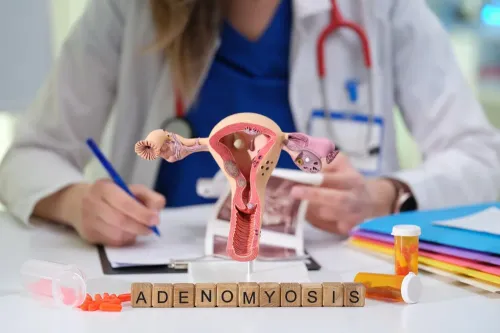
Ask whether pain could also involve adenomyosis, pelvic-floor dysfunction, irritable bowel or bladder disorders, adhesions, or nerve sensitisation. If you are not trying to conceive immediately, ask about postoperative hormonal treatment; it differs from fertility treatment and is not used while actively trying to conceive.
Frequently asked questions
Which symptoms and examination findings suggest deep endometriosis?
Deep pelvic pain, painful sex, painful bowel movements, cyclical bowel or bladder symptoms, infertility, and tenderness or nodules on examination can suggest deep endometriosis.
When do symptoms require prompt escalation and targeted testing?
Seek specialist assessment for persistent or worsening pain, blood in urine or stool during periods, difficulty passing urine or stool, infertility, or examination findings suggesting organ involvement.
How is a deep-endometriosis consultation different from a routine appointment?
The consultation maps symptoms and possible organ involvement, reviews previous scans and treatments, and considers targeted pelvic imaging and multidisciplinary care.
Does seeing a surgeon mean you need an operation?
No. A surgeon can explain observation, medication, pain management, fertility planning, and surgery, then recommend an option based on your symptoms and findings.
What should you bring and ask at the first specialist visit?
Bring scan reports and images, prior treatment records, medication details, fertility history, and a symptom diary. Ask which organs may be involved, which tests are needed, and what each treatment involves.
Related service
Bowel Endometriosis Endometriosis and Irritable Bowel Syndrome: Understanding the Double Struggle. View service → |