
Preparing for endometriosis surgery involves more than arriving at the hospital on the scheduled date. You need to understand the assessment, planned procedures, medication changes, practical arrangements, recovery milestones, and warning signs so you can make informed decisions and plan safely.
Key takeaways
- Bring scan reports, medicine lists, fertility goals, and previous treatment records.
- Arrange an adult escort, transport, and practical help for your first recovery days.
- Ask how surgery could affect pain, fertility, ovarian reserve, and bowel or bladder function.
- Seek urgent advice for heavy bleeding, fever, worsening pain, breathlessness, or wound problems.
From consultation to admission: the preoperative timeline
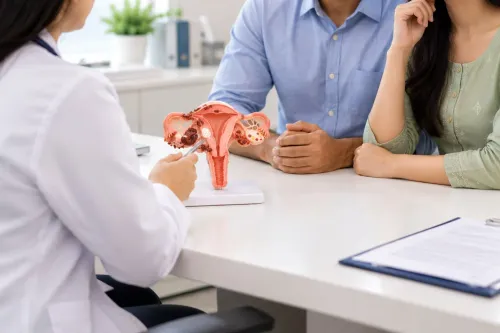
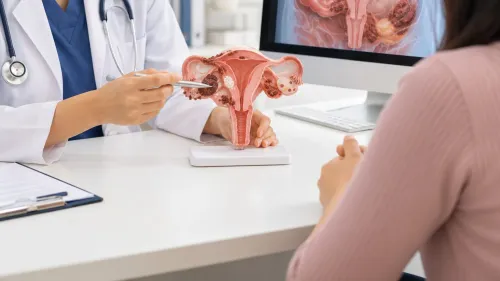
The endometriosis surgery consultation begins with your symptoms, examination, fertility plans, previous treatments, and goals. A transvaginal ultrasound can identify ovarian endometriomas and deep disease; a pelvic MRI for endometriosis can map involvement of the bowel, bladder, ureters, ovaries, or pelvic nerves. A normal examination or scan does not exclude superficial disease.
The decision to operate considers:
- Pain, bleeding, bowel or bladder symptoms, infertility, and their effect on daily life.
- Lesion location, treatment response, fertility plans, surgical risks, and your preferences.
- The endometriosis stage, without treating that label as a reliable measure of pain severity or an automatic reason for surgery.
Diagnostic laparoscopy is not automatically required after a negative scan. Your clinician may discuss empirical treatment first, or offer laparoscopy when treatment fails, is unsuitable, or is unacceptable to you. If deep disease is suspected, ask whether a specialist centre and colorectal or urological support are needed.
After you choose surgery, the preoperative assessment reviews your medical history, anaesthetic risks, medicines, allergies, and test results. You receive instructions about fasting and any prescribed bowel or urinary preparation.
During consent for endometriosis surgery, clarify whether the plan includes excision, ablation, adhesiolysis, ovarian surgery, or possible bowel, bladder, or ureter procedures, and which additional procedures require separate agreement. Admission details, arrival time, transport, and discharge arrangements are confirmed before the operation date.
Medicines, documents, transport, and help at home
Arrange your ride and adult companion before admission; you may not drive after general anaesthesia, and some hospitals require a responsible adult to stay with you overnight.
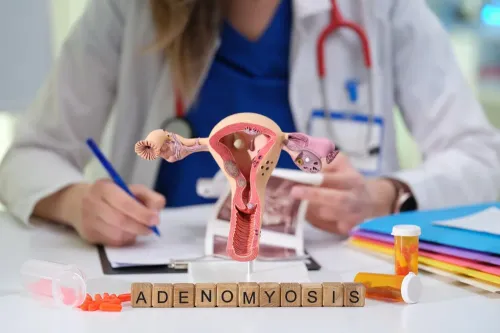
Complete a preoperative medication review with the surgical and anaesthesia teams. Give them every prescription, over-the-counter medicine, vitamin, and herbal product, including its dose and last use. Do not stop prescribed treatment without their instructions.
| Medicine or group | Why it needs review | What to do |
|---|---|---|
| Blood thinners before surgery | They can increase bleeding; examples include warfarin, apixaban, rivaroxaban, clopidogrel, and prescribed aspirin | Ask exactly when to pause, restart, or bridge treatment |
| Diabetes medicines and fasting | Fasting changes insulin and glucose-lowering requirements | Give your medication schedule and glucose plan; do not guess the morning dose |
| Anti-inflammatory drugs before surgery | Ibuprofen, naproxen, and similar drugs can affect bleeding or kidney function | Confirm whether to pause them and what pain relief is permitted |
| Supplements before surgery | Fish oil, garlic, ginkgo, turmeric, and other products can alter bleeding or anaesthesia | List every product and follow the team’s stop or continue instructions |
For what to bring for endometriosis surgery, pack your medication list, identification, insurance documents, prior scans, operative reports, allergies, and contact details. Arrange postoperative childcare and home help, meals, bathing assistance, and time away from work, especially if bowel, bladder, ureter, or extensive ovarian surgery is planned.
What procedure is planned, and what trade-offs should you discuss?
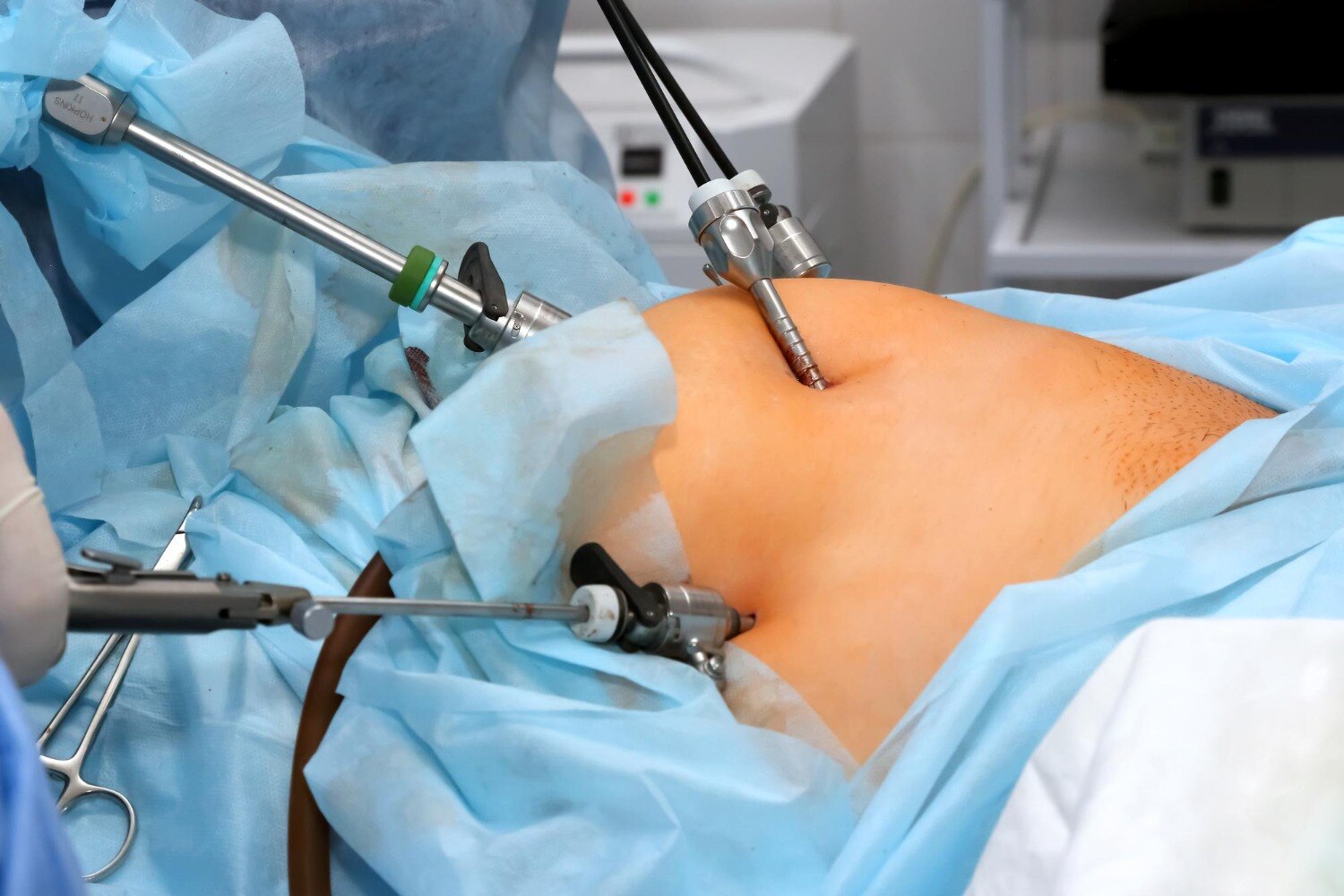
A laparoscopy can remain diagnostic, or become extensive treatment once the surgeon finds disease. Location and depth matter: superficial lesions may need limited treatment, while deep endometriosis bowel bladder ureter disease can require planned work on the bowel, bladder, ureter, pelvic nerves, ovaries, or adhesions.
Excision versus ablation involves a real trade-off:
| Option | What it does | Main discussion point |
|---|---|---|
| Excision | Removes the lesion and may provide tissue for analysis | Can be difficult near organs or nerves |
| Ablation | Destroys the surface of a lesion | May be unsuitable when disease extends deeply |
Ask these questions before signing consent:
- Is the planned operation diagnostic laparoscopy only, or will you treat visible disease during the same procedure?
- Will you perform adhesiolysis, and could separating scar tissue injure the bowel, bladder, ureter, or blood vessels?
- If you find an endometrioma, will you drain it, ablate it, or perform an endometrioma cystectomy? Ask how each choice affects recurrence, pain, and ovarian reserve after endometrioma surgery.
- If pregnancy matters, ask about ovarian reserve testing, fertility effects, and fertility preservation before surgery. Bilateral, large, or recurrent cysts carry greater risk of losing healthy ovarian tissue.
- If scans show deep disease, will a colorectal or urology specialist be available, and what additional procedures could occur?
A specialist endometriosis surgeon in Pune should explain the operation’s limits, possible organ procedures, and whether surgery is likely to improve your particular pain; it cannot guarantee symptom elimination or prevent recurrence.
The day of surgery: checks, anaesthesia, and discharge
At hospital check-in for laparoscopy, staff confirm your name, date of birth, planned procedure, allergies, medicines, fasting status, and pregnancy possibility. Identity and consent checks confirm what the surgeon is authorised to do, including any agreed treatment for endometriosis involving the bowel, bladder, ureter, or ovaries.
Before theatre, expect:
- A general anaesthesia discussion covering how you will be put to sleep, pain relief, nausea prevention, and relevant risks.
- An intravenous cannula in your hand or arm for fluids, antibiotics, and anaesthetic medicines.
- Removal of jewellery, contact lenses, and removable dental appliances.
- A urinary catheter during pelvic surgery when the operation, its length, or bladder involvement makes drainage and urine monitoring necessary.
In theatre, monitors track your heart rate, blood pressure, oxygen level, and carbon dioxide. Afterward, the recovery unit checks your breathing, alertness, pain, nausea, urine output, and wound sites. Compression devices after surgery reduce blood pooling in your legs while you are less mobile.
You can leave when you meet the same-day discharge criteria: stable observations, controlled pain and nausea with tablets, ability to drink, safe walking, and no concerning bleeding. You also need clear written instructions, a responsible adult to take you home, and someone available overnight.
Extensive bowel, bladder, ureter, or ovarian surgery may require hospital observation instead.
Recovery milestones, follow-up, and warning signs
Walking after laparoscopy usually starts with short, frequent walks on the day of discharge or the next day. For uncomplicated surgery, return to desk work and driving may take several days to two weeks; drive only when you can brake comfortably and are no longer taking sedating pain medicine.
Ask your surgeon when exercise and lifting after surgery can resume, and stop if pain or bleeding increases.
| Procedure | Recovery implications | Activity planning |
|---|---|---|
| Diagnostic or superficial laparoscopy | Faster return to routine activity | Increase walking gradually; avoid heavy lifting until cleared |
| Ovarian endometrioma surgery | More pelvic soreness and possible ovarian follow-up | Plan additional time away from work and delay strenuous exercise |
| Bowel, bladder, or ureter surgery | Longer recovery, with temporary dietary or urinary changes | Expect staged return to work and follow organ-specific instructions |
Wait for your surgeon’s clearance for penetrative sex after pelvic surgery, particularly after deep excision or vaginal, bowel, or bladder repair. If you are not trying to conceive immediately, postoperative hormonal treatment can reduce symptoms and endometriosis recurrence, especially after endometrioma or deep-disease surgery; it is prevention or symptom control, not evidence that surgery failed.
Seek urgent medical advice for these postoperative red flags:
- Heavy or worsening bleeding, fever, increasing abdominal pain, or marked distension
- Persistent vomiting or inability to pass urine
- Breathlessness, chest pain, or a painful swollen leg
- Wound redness, spreading swelling, or pus-like discharge
Frequently asked questions
What should I bring to an endometriosis surgery consultation?
Bring your scan reports, medicine and allergy list, previous treatment records, symptom history, and fertility goals.
What should I arrange before endometriosis surgery?
Confirm your admission instructions, medicines to stop or continue, transport home, and help with meals, mobility, and childcare.
What trade-offs should I discuss before surgery?
Ask how the planned procedure could affect pain, fertility, ovarian reserve, and bowel, bladder, ureter, or nerve function.
When should I seek medical help after endometriosis surgery?
Contact your surgical team for heavy bleeding, fever, worsening pain, wound redness or discharge, persistent vomiting, or breathlessness.