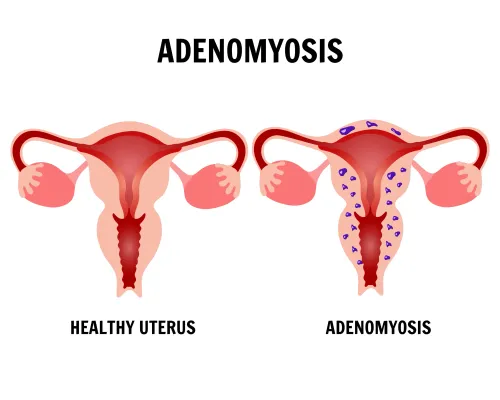

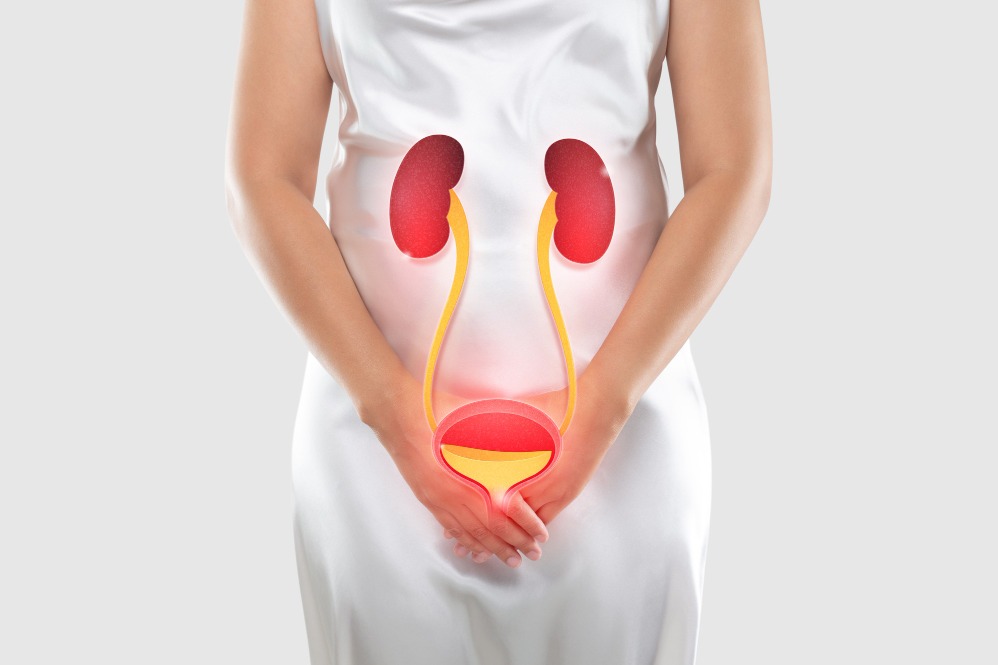
Endometriosis is most commonly associated with the ovaries and pelvic cavity, but in some women the disease extends to the urinary system. Although urinary tract endometriosis is relatively uncommon, it can lead to serious complications if left untreated. Because its symptoms often resemble urinary infections or bladder disorders, diagnosis may be delayed without specialist evaluation.
Understanding the warning signs can help women receive timely treatment and protect kidney and bladder function.
What Is Urinary Tract Endometriosis?
Urinary tract endometriosis occurs when tissue similar to the uterine lining grows on or within parts of the urinary system.
The condition may affect:
- The bladder
- Ureters
- Kidneys in rare cases
- Surrounding pelvic tissues
These abnormal growths respond to hormonal changes during the menstrual cycle, leading to inflammation, pain, and scar tissue formation.
Common Symptoms
Symptoms vary depending on which part of the urinary tract is involved.
Women may experience:
- Pain while passing urine during menstruation
- Frequent urination
- Urgency to urinate
- Pelvic pain
- Blood in the urine during periods
- Lower abdominal discomfort
- Flank pain when ureters are affected
- Persistent urinary symptoms despite treatment
Some women have few or no symptoms, making routine evaluation especially important in advanced endometriosis.
Why Early Diagnosis Is Important
Untreated urinary tract endometriosis can gradually obstruct the flow of urine, particularly if the ureters become compressed by scar tissue.
Delayed diagnosis may increase the risk of:
- Kidney damage
- Recurrent urinary infections
- Chronic pelvic pain
- Progressive scarring
- Loss of kidney function in severe cases
Early identification significantly improves treatment outcomes.
How Is It Diagnosed?
Because symptoms overlap with many urinary conditions, diagnosis requires careful assessment.
Investigations may include:
- Detailed medical history
- Pelvic examination
- Urine analysis
- Pelvic ultrasound
- MRI for deep infiltrating disease
- CT scan in selected cases
- Cystoscopy when bladder involvement is suspected
- Diagnostic laparoscopy
These investigations help determine the exact location and extent of disease.
Treatment Options
Treatment depends on symptom severity, organ involvement, and future pregnancy plans.
Medical Management
Hormonal therapy may help reduce symptoms in selected women by slowing the activity of endometriosis tissue.
Surgical Treatment
Surgery is often recommended when:
- The ureters become narrowed
- Kidney function is threatened
- Bladder symptoms become severe
- Medical therapy fails
- Extensive disease is identified
Advanced laparoscopic or robotic surgery allows precise removal of endometriosis while protecting nearby urinary structures.
Living Well After Treatment
Many women experience significant improvement after appropriate treatment.
Maintaining regular follow-up appointments helps monitor recovery and identify any recurrence early.
Patients should also seek medical advice promptly if urinary symptoms return or worsen after treatment.
Women in Pune with urinary symptoms associated with endometriosis often require specialized assessment because delayed diagnosis can lead to avoidable complications. Dr. Mahindra Borse evaluates complex endometriosis involving the urinary tract using advanced diagnostic techniques and minimally invasive surgical approaches tailored to each patient's condition.
Urinary tract endometriosis is uncommon but should never be overlooked. Early diagnosis and expert treatment can relieve symptoms, preserve urinary function, and improve long-term reproductive health for women throughout Pune and Maharashtra.