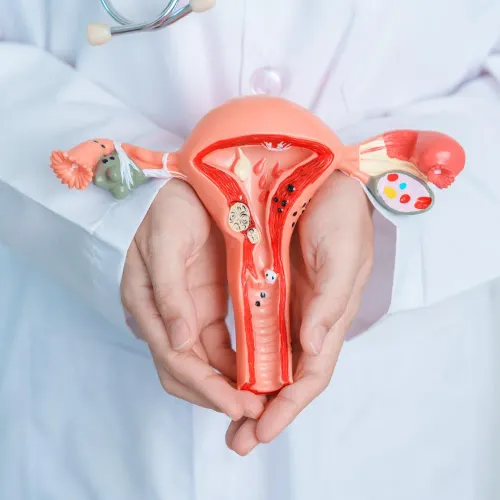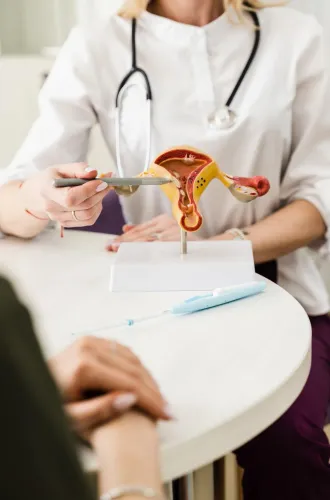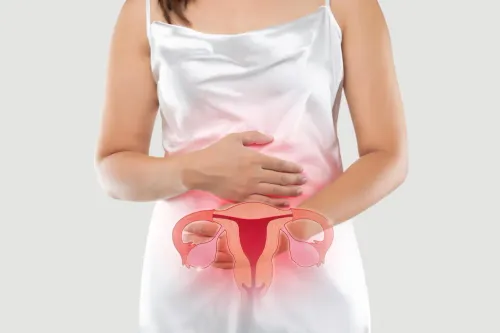


Period pain is common, which can make it difficult to know when discomfort has moved beyond what should reasonably be managed with occasional pain relief. Endometriosis Pain can be cyclical, persistent, unpredictable, and sometimes severe enough to interfere with normal activities.
The important distinction is not simply whether pain exists. Its pattern, severity, duration, associated symptoms, and effect on daily functioning all matter.
Pain Patterns Can Provide Useful Clues
Endometriosis-related discomfort does not always occur only during menstruation.
Women may experience pain:
- Before menstruation begins
- Throughout the menstrual period
- Between periods
- During intercourse
- During bowel movements
- While urinating
- In the lower back
- Deep within the pelvis
Some patients notice progressive worsening over months or years.
Pain alone cannot establish endometriosis because adenomyosis, fibroids, ovarian conditions, pelvic infections, gastrointestinal disorders, and musculoskeletal problems may produce similar symptoms.
When Routine Management May No Longer Be Enough
Occasional mild cramps that respond to simple measures are different from recurring pain that disrupts normal life.
Further assessment becomes particularly relevant when a woman repeatedly misses work or college, wakes at night because of pain, avoids physical activity, experiences painful intercourse, requires increasingly frequent medication, or develops bowel and urinary symptoms around menstruation.
Pain that continues despite previous treatment also deserves reassessment.
Medical Management and Surgery Serve Different Roles
Medication and hormonal treatment can play an important role in controlling symptoms for many women. Surgical treatment may be considered when conservative approaches have not provided sufficient relief, medication is unsuitable, fertility considerations affect treatment choices, or imaging suggests disease that requires specialist evaluation.
Neither approach should be viewed as automatically superior.
The decision depends on what is causing the pain and how extensively endometriosis may be affecting pelvic structures.
Why Mapping Disease Can Change Planning
Deep endometriosis may affect tissues around the uterus, ovaries, bowel, bladder, ureters, pelvic sidewalls, and other structures. Understanding the suspected location before surgery can help determine the complexity of treatment.
Specialist ultrasound and MRI may therefore be considered depending on the clinical situation.
Women seeking evaluation in Pune may also have records from previous consultations or surgeries elsewhere in Maharashtra. Bringing those documents can help avoid starting the assessment from the beginning.
Look Beyond the Pain Score
A numerical pain score is useful but incomplete.
Two patients describing pain as seven out of ten may experience very different consequences. One may remain functional while another cannot work, sleep properly, exercise, or have intercourse without discomfort.
Dr. Mahindra Borse evaluates endometriosis and related pelvic disorders in Pune with attention to symptoms, imaging, previous treatment, reproductive plans, and possible surgical indications.
Make the Symptom Pattern Easier to Assess
Before an appointment, record pain for two or three menstrual cycles if circumstances allow. Note where the pain occurs, when it begins, what makes it worse, associated bowel or urinary symptoms, medication requirements, and its impact on normal activities.
This creates a more useful clinical picture.
Persistent pelvic pain should not be evaluated solely on whether a woman can tolerate it. The better question is what may be causing the pain, how much it affects daily life, and which management approach fits the underlying findings and the patient's priorities.