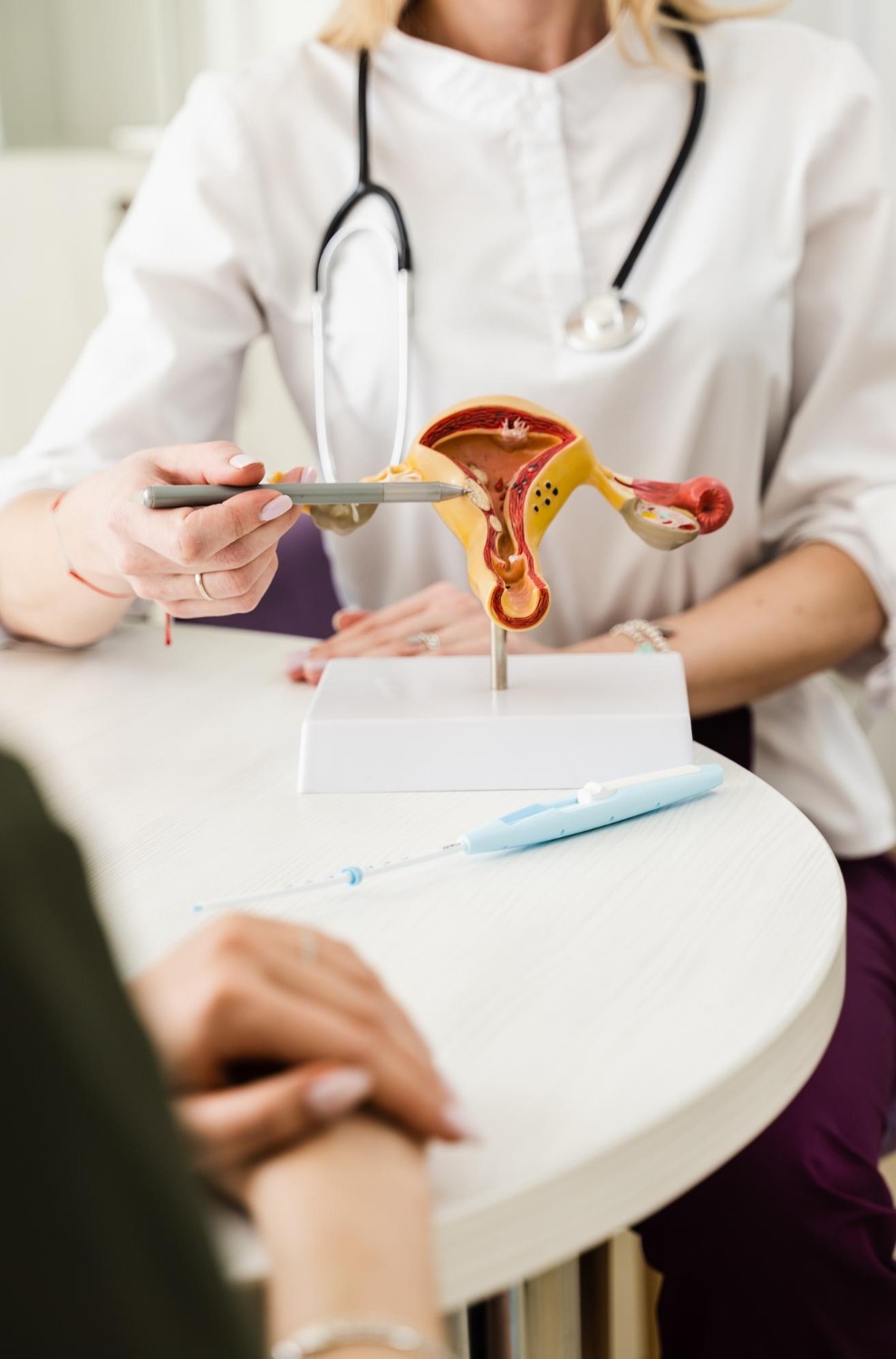
A diagnosis of endometriosis often raises an immediate concern about pregnancy. The relationship between Endometriosis Fertility and treatment is complex because endometriosis does not affect every woman's reproductive health in the same way.
Some women conceive naturally despite diagnosed endometriosis. Others encounter difficulty and only discover the condition during fertility investigations. The right approach depends on age, ovarian reserve, fallopian tube health, disease location, previous surgery, duration of infertility, and the couple's broader fertility factors.
How Endometriosis May Affect Fertility
Endometriosis can potentially influence reproductive function through several mechanisms.
Pelvic adhesions may alter normal anatomy. Disease around the ovaries or fallopian tubes can affect reproductive structures, while ovarian endometriomas may require particular consideration when fertility treatment is planned.
Inflammatory changes within the pelvic environment may also be relevant.
However, simply finding endometriosis does not establish exactly how much it is contributing to an individual patient's difficulty conceiving.
Surgery Is Not Automatically the First Step
When pregnancy is the main objective, deciding between trying naturally, surgical management, fertility treatment, or a combination requires careful evaluation.
Surgery may be considered in selected situations, particularly when pain is significant, anatomy is affected, or particular disease patterns are present. At the same time, repeated ovarian surgery can have implications for ovarian reserve.
This makes treatment sequencing important.
Questions That Help Shape the Decision
Before choosing a treatment path, several factors deserve consideration:
- How old is the patient?
- How long has the couple been trying to conceive?
- Is ovarian reserve satisfactory?
- Are one or both ovaries affected?
- Are the fallopian tubes likely to be functional?
- Has endometriosis surgery been performed previously?
- Is pelvic pain a significant problem?
- Are there additional fertility factors involving either partner?
The answers can substantially change the recommended approach.
When Specialist Surgical Evaluation Helps
A woman with an endometrioma and infertility may face a different decision from someone with severe deep endometriosis and disabling pain. Similarly, a patient planning IVF may require a different strategy from someone hoping to conceive naturally.
For patients in Pune and Maharashtra, coordinated evaluation can help avoid treating fertility and endometriosis as unrelated problems.
Dr. Mahindra Borse assesses endometriosis within the broader context of gynaecological symptoms, reproductive plans, imaging findings, and potential surgical requirements.
Protecting Future Reproductive Options
Women who are not currently trying to conceive may still want to discuss future fertility, particularly when ovarian endometriosis, recurrent disease, or surgery is being considered.
This does not mean every patient needs fertility preservation. It means reproductive goals should form part of the treatment conversation before significant interventions are undertaken.
A Personalised Plan Matters More Than a Standard Formula
There is no universal rule that every woman with endometriosis should undergo surgery before trying for pregnancy. There is equally no rule that surgery should always be avoided.
The practical goal is to determine which option offers the most appropriate balance between symptom management, disease treatment, ovarian preservation, and the patient's reproductive timeline.
Bringing previous scans, fertility reports, hormone tests, operative records, and details of previous treatments to a consultation helps create a clearer picture. When fertility is a priority, decisions about endometriosis are most useful when made with that priority visible from the beginning.