
Heavy periods, severe cramps, pelvic pressure, and persistent lower abdominal discomfort can have several possible causes. Adenomyosis is one condition that may be considered when these symptoms become increasingly difficult to manage.
An Adenomyosis Surgeon evaluates whether symptoms are consistent with adenomyosis, how significantly the condition is affecting daily life, and whether surgical treatment should be considered alongside non-surgical options.
What Happens in Adenomyosis
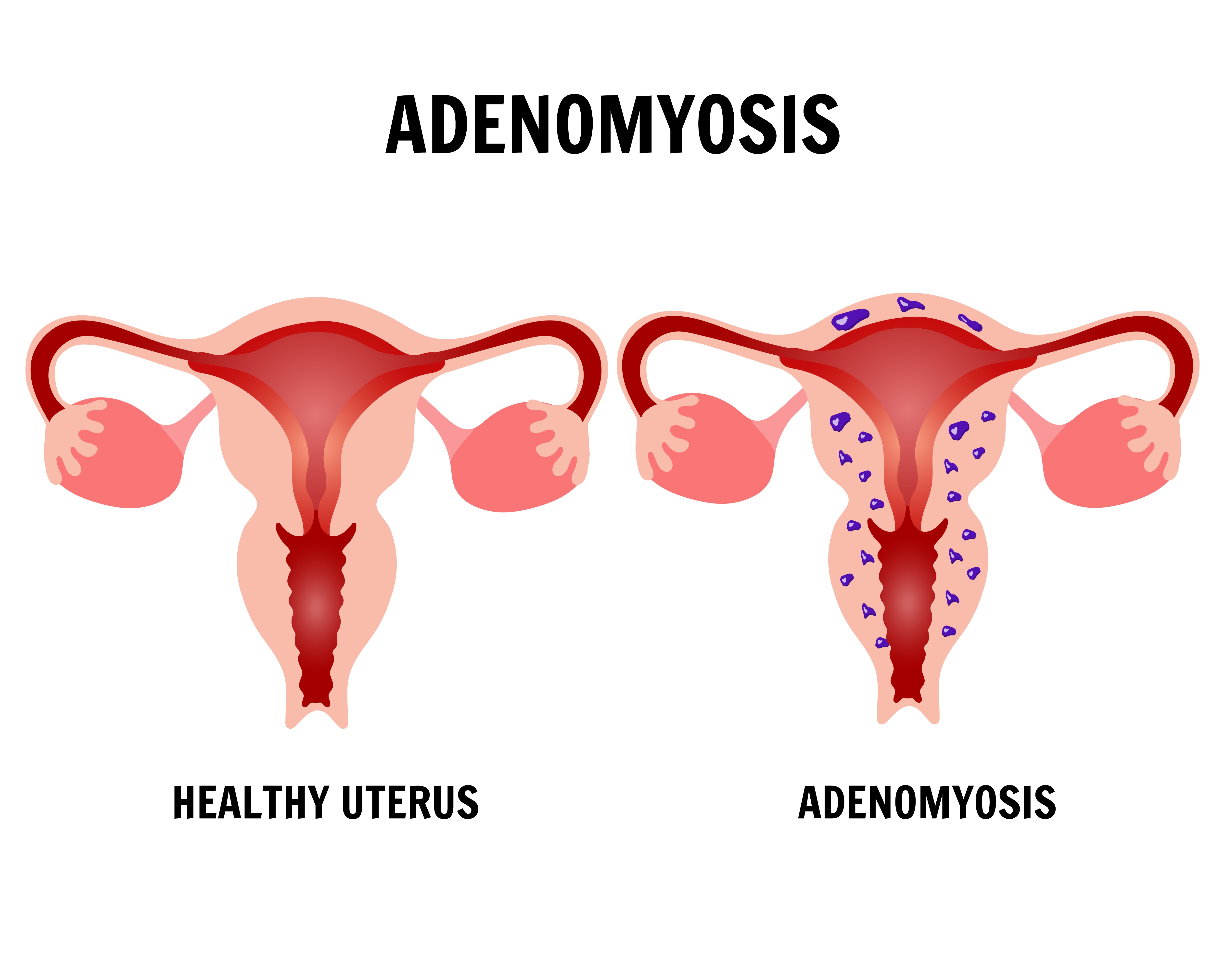
Adenomyosis occurs when tissue similar to the lining of the uterus is found within the muscular wall of the uterus. This can contribute to enlargement of the uterus, painful menstruation, heavy bleeding, pelvic tenderness, and sometimes fertility-related concerns.
Adenomyosis and endometriosis are different conditions, although they can occur together.
This distinction matters because treatment decisions may differ.
Common Signs That Need Evaluation
Women with adenomyosis may experience:
- Heavy menstrual bleeding
- Prolonged periods
- Severe menstrual cramps
- Pelvic heaviness
- Chronic pelvic discomfort
- Pain during intercourse
- Fatigue associated with heavy blood loss
- Difficulty conceiving in some situations
Heavy bleeding can also contribute to iron deficiency and anaemia, which may cause weakness, breathlessness, dizziness, and reduced energy.
Diagnosis Usually Requires More Than Symptoms
Symptoms provide important information but cannot establish the diagnosis on their own.
Pelvic ultrasound is commonly used to evaluate the uterus and identify features that may suggest adenomyosis. MRI may be useful in selected patients when additional anatomical detail is required.
Assessment may also look for fibroids, ovarian cysts, endometriosis, endometrial abnormalities, and other possible causes of bleeding or pelvic pain.
For women in Pune, Maharashtra, a specialist gynaecological evaluation can help distinguish between conditions with similar presentations before treatment decisions are made.
Treatment Depends on Individual Priorities
Not every woman with adenomyosis requires surgery.
Treatment may involve medication for pain, hormonal management, treatment for heavy menstrual bleeding, correction of iron deficiency, fertility planning, and surgical options where appropriate.
Age, severity of symptoms, reproductive plans, previous treatment response, uterine findings, and the presence of additional pelvic conditions all matter.
When Surgical Discussion Becomes Relevant
Surgical treatment may be discussed when symptoms remain severe despite appropriate conservative management, bleeding significantly affects health, or the condition creates substantial quality-of-life concerns.
The type of surgery depends heavily on the patient's circumstances and future fertility plans. This makes individualised counselling particularly important.
Dr. Mahindra Borse assesses adenomyosis, endometriosis, fibroids, and other gynaecological conditions in Pune, with surgical planning based on clinical findings and patient priorities.
Preparing for a Specialist Appointment
Women seeking evaluation can bring previous ultrasound and MRI reports, blood tests, records of earlier treatments, and information about their menstrual cycle.
It is also useful to document how frequently pain occurs, how heavy the bleeding is, whether symptoms are worsening, and whether pregnancy is currently planned.
Adenomyosis management is rarely about a single scan finding. Effective decision-making comes from connecting imaging with symptoms, health considerations, fertility goals, and previous treatment response. That broader assessment helps determine whether continued medical care or surgical management deserves consideration.