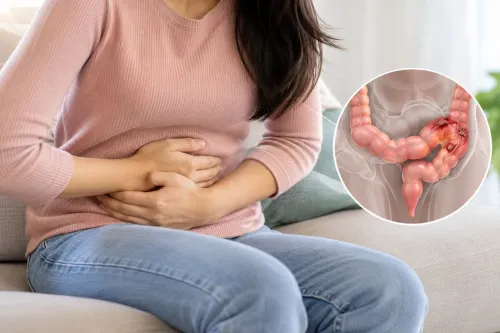


Pain intensity does not reliably show how much endometriosis is present, and the same pelvic lesions can produce very different symptoms. By the end, you will be able to recognise common pain patterns, record useful clues, understand overlapping conditions, and know when assessment or urgent care is needed.
Key takeaways
- Pain severity does not reliably show how extensive endometriosis is.
- Pain location and timing can reveal which tissues or organs are involved.
- Track pain, bleeding, bowel, bladder, and fertility symptoms before assessment.
- Persistent or worsening pain needs evaluation for endometriosis and overlapping conditions.
Why severe pain does not always mean extensive disease
Pain severity and disease extent do not reliably match. A small amount of endometriosis can cause intense inflammation, irritate nearby nerves, or sit beside a highly sensitive structure, while extensive disease can remain quiet if it does not affect pain-sensitive tissue.
Nerve sensitisation helps explain this mismatch. Peripheral sensitisation occurs when inflammation around a lesion makes local nerves respond strongly to pressure, movement, bowel activity, or sexual contact. After repeated pain signals, central sensitisation can make the nervous system overreact even after the original trigger has reduced.
Normal pressure may then feel painful, and pain can continue between periods rather than follow a purely cyclical pattern.
Fibrosis can stiffen tissue, and adhesions can pull on the uterus, bowel, bladder, or pelvic wall during movement. Those mechanical effects can produce severe pain without a large area of visible disease. Pelvic-floor guarding adds another layer: muscles tighten to protect against expected pain, then become painful and maintain symptoms.
The reverse also occurs. Deep lesions or extensive adhesions may cause few symptoms when they do not irritate nerves or restrict movement. A scan or operation can describe location and visible extent, but it cannot measure nerve sensitivity, muscle guarding, or how the brain processes pain.
That is why lesion removal may not eliminate pain when sensitisation or another pelvic pain condition remains.
How location and timing change the pain pattern
Cyclical pain often peaks before or during menstruation, but it can also appear as ovulation pain or pain outside menstruation. Continuous pelvic pain between periods can reflect ongoing inflammation, nerve sensitisation, adhesions, or pelvic-floor guarding; it does not prove more extensive disease.
Pain patterns can offer clues without identifying a lesion:
- Cramping with bowel symptoms may occur with posterior disease near the uterosacral ligaments or rectovaginal region. Painful bowel movements can also result from IBS or pelvic-floor dysfunction.
- Deep pain during sex points clinicians toward deeper pelvic structures, while pain at the vaginal entrance may involve muscle spasm or sensitised tissue.
- Painful urination, urgency, or bladder pressure can occur with bladder involvement, but bladder pain syndrome and infection can feel similar.
- Referred pain into the lower back, hip, or thigh can arise from pelvic inflammation or nerve-adjacent disease. Menstrual-pattern leg pain deserves targeted assessment rather than being labelled ordinary cramping.
A one-sided ache might relate to an ovarian endometrioma, but cysts and other ovarian conditions can cause the same symptom. Cyclic shoulder pain is an uncommon clue to diaphragmatic disease, yet shoulder pain has many non-gynaecological causes.
Pain reaching the bowel or bladder therefore suggests a symptom pattern, not proof that endometriosis has invaded that organ.
How overlapping conditions alter what pain feels like
The same pelvic symptom can come from different mechanisms, so location, timing, and associated symptoms matter more than one complaint. Endometriosis often causes cyclical pain, but overlapping conditions can add daily pain, bowel or bladder symptoms, pain with penetration, or pain elsewhere in the body.
| Condition | Pattern that points toward it |
|---|---|
| Endometriosis | Menstrual or ovulation-linked pelvic pain, painful bowel movements, deep sex pain, or pain from posterior disease; symptoms can continue between periods. |
| Adenomyosis | Adenomyosis pain often comes with heavy or prolonged periods, strong cramping, and a tender, enlarged uterus. |
| IBS | IBS symptoms include bloating, constipation, diarrhea, and abdominal pain that changes with bowel movements or stool pattern. |
| Urinary infection | A urinary infection usually causes new burning, urgency, frequent urination, and sometimes fever or blood; a urine test helps separate it from pelvic pain conditions. |
| Painful bladder syndrome | Painful bladder syndrome causes bladder pressure or pain that worsens as the bladder fills and eases after urination, often with repeatedly negative cultures. |
| Ovarian cyst pain | Ovarian cyst pain is commonly one-sided and sudden, especially if a cyst leaks, twists, or enlarges. |
| Pelvic-floor dysfunction | Pelvic-floor overactivity can cause vaginal-entrance pain, pain with penetration, painful sitting, bowel movements, or examination. Guarding can sustain these symptoms after the original trigger settles. |
Migraine and fibromyalgia can coexist with endometriosis, broadening pain beyond the pelvis and increasing sensitivity to light, touch, fatigue, or widespread aches. Persistent pain after lesion treatment does not prove treatment failed; muscle spasm, nerve sensitisation, or another condition may remain active.
What to record and when persistent pain needs assessment
A symptom record helps investigate persistent pain when painkillers provide only temporary relief, routine dysmenorrhea is worsening, or a normal ultrasound has not explained your symptoms. Record each episode for at least one menstrual cycle:
- Cycle day, pain location, duration and severity
- Whether pain is constant, cramping, or outside menstruation
- Bowel and bladder triggers, including defecation, urination, constipation, diarrhoea, or urgency
- Pain during or after sex, bleeding between periods, and menstrual flow
- Medication, dose, timing, and how long relief lasts
- Functional impact, such as missed work, disturbed sleep, or difficulty walking
Compare the pattern rather than relying on one symptom.
| Pattern | What to record | What it helps assess |
|---|---|---|
| Cyclical pain | Relation to cycle day, bleeding, and ovulation | Menstrual pain patterns, including secondary causes |
| Deep pain | Location, sex, bowel movements, and back or leg pain | Possible posterior disease, pelvic-floor guarding, or other causes |
| Urinary or bowel pain | Trigger, urgency, frequency, stool changes, and blood | Bladder, bowel, IBS, or pelvic-floor conditions |
| Continuous pain | Daily duration, flare triggers, and medication response | Persistent inflammation, sensitisation, adhesions, or overlapping pain conditions |
A normal ultrasound does not exclude superficial lesions. Ask whether MRI is appropriate when symptoms remain convincing, particularly if deep disease is suspected; imaging quality depends on the protocol and operator. An Endometriosis Surgeon in Pune can help match the symptom record to examination, imaging, and the next investigation.
Seek urgent assessment for sudden one-sided pain, fainting, heavy bleeding, fever, vomiting, inability to pass urine, or flank pain.
Related services
Endometriosis & Pain Endometriosis Pain : Causes, Effects, and Treatment options Endometriosis is a common but often misunderstood condition affecting millions of women... View service → |
Urinary tract Endometriosis (UTE) occurs when endometrial-like tissue grows on or within the organs of the urinary tract. View service → |
How treatment choices match different pain mechanisms
Treatment works best when it targets the suspected pain mechanism, not simply the most visible lesion. Use symptom timing, examination, and tracking symptoms over several cycles to guide the choice; self-diagnosis limits what you can safely infer from symptoms alone.
- NSAIDs reduce prostaglandin-driven inflammation and cramping; discuss dose, contraindications, and medication side effects if relief is inadequate.
- Hormonal suppression can reduce cyclical bleeding and inflammatory stimulation; it fits pain that predictably worsens around menstruation, but requires review of risks and tolerability.
- Pelvic-floor physiotherapy addresses muscle guarding, trigger points, and pain at the vaginal entrance; it does not remove endometriosis lesions.
- Treatment for IBS or bladder conditions fits urgency, constipation, diarrhoea, or bladder pain when those conditions contribute; these symptoms do not prove organ invasion.
- Surgery allows lesion removal or treatment of adhesions when disease, anatomy, infertility, or persistent symptoms justify the recovery and time trade-offs.
Surgery is an incomplete solution when pain has more than one source beyond visible disease. Persistent pain after surgery can reflect residual or recurrent disease, pelvic-floor dysfunction, nerve sensitisation, or an overlapping condition.
Multidisciplinary care can combine hormonal treatment, pain medicine, pelvic-floor physiotherapy, and evaluation of other conditions instead of assuming that more surgery is automatically the answer.
Frequently asked questions
Can severe endometriosis pain occur with limited disease?
Yes. A small lesion can trigger intense inflammation, irritate nearby nerves, or sit beside a pain-sensitive structure. Extensive disease can remain quiet when it does not affect pain-sensitive tissue.
How do location and timing change endometriosis pain?
Pain may vary by its location and timing. Cyclical pain linked to menstruation differs from pain during sex, bowel movements, urination, or throughout the month.
Which conditions can make endometriosis pain feel different?
Adenomyosis, pelvic floor muscle problems, irritable bowel syndrome, bladder pain syndrome, adhesions, and nerve-related pain can overlap with endometriosis and change the pain pattern.
What should you record before an endometriosis assessment?
Record pain location, severity, duration, cycle timing, bleeding, bowel and bladder symptoms, pain during sex, medicines taken, and how symptoms affect work, sleep, or daily activities.
When does persistent endometriosis pain need assessment?
Arrange an assessment when pain persists, worsens, disrupts daily life, returns despite treatment, or occurs with heavy bleeding, bowel or bladder symptoms, or difficulty conceiving.
Related services
Bowel Endometriosis Endometriosis and Irritable Bowel Syndrome: Understanding the Double Struggle. View service → |
Adenomyosis Adenomyosis Understanding Adenomyosis - A Comprehensive Guide Adenomyosis is a condition that affects many women, yet it remains relatively unfamiliar to a... |