

Painful bowel movements, constipation, diarrhoea, bloating or rectal bleeding deserve more careful assessment when they follow a menstrual pattern, persist despite an IBS label, or interfere with daily life. You will learn which symptoms need routine evaluation, which require emergency care, how clinicians investigate the cause, and when referral to a specialist bowel endometriosis service is appropriate.
Key takeaways
- Seek assessment for bowel symptoms that worsen before or during menstruation.
- Get urgent help for severe pain, persistent vomiting, heavy bleeding, or bowel obstruction signs.
- Ultrasound and MRI can help identify deep endometriosis affecting the bowel.
- Discuss surgical technique, risks, recovery, and fertility goals before consenting.
Which bowel symptoms need medical assessment, and which are emergencies?
Book a clinical appointment for cyclical rectal pain, painful bowel movements, constipation, diarrhoea, bloating, abdominal cramps, rectal bleeding, vomiting, or bowel symptoms linked to menstruation. Symptoms that worsen before or during a period deserve assessment, even when they later become persistent.
A diary of period dates, bowel movements, pain, bleeding and bloating will help your clinician identify a pattern.
| Symptom pattern | What to do | Why it matters |
|---|---|---|
| Cyclical rectal pain, painful bowel movements, constipation, diarrhoea, bloating or cramps | Arrange a clinical appointment | These symptoms can reflect bowel endometriosis but also IBS, inflammatory bowel disease, haemorrhoids, infection, coeliac disease or another gastrointestinal condition |
| Rectal bleeding, especially around menstruation | Arrange prompt assessment | Do not assume bleeding is endometriosis; polyps, inflammatory bowel disease and colorectal cancer also require consideration |
| Heavy rectal bleeding, black stools or fainting | Seek urgent medical help | These signs can indicate significant bleeding |
| Persistent vomiting, fever, severe or rapidly worsening abdominal pain, marked abdominal distension, or inability to pass stool or gas | Go to emergency care | These symptoms can signal serious inflammation, bleeding or bowel obstruction |
Repeated vomiting with distension and colicky pain is particularly concerning for obstruction. Do not wait for an elective bowel endometriosis surgeon appointment if these symptoms occur. A normal initial scan or a previous IBS diagnosis does not explain away persistent or worsening symptoms, and IBS and endometriosis can coexist.
What symptom pattern points toward endometriosis rather than another bowel condition?
A pattern that follows the menstrual cycle points more toward endometriosis than a single bowel symptom does. Painful bowel movements, constipation, diarrhoea, bloating, abdominal cramps, deep pelvic pain or rectal bleeding that worsens before or during menstruation deserve evaluation for bowel endometriosis.
| Pattern | More consistent with | What to do |
|---|---|---|
| Symptoms flare before or during periods | Bowel endometriosis | Record the cycle relationship and seek assessment |
| Symptoms occur independently of periods | IBS, infection, coeliac disease or another bowel condition | Do not exclude endometriosis; investigate persistent symptoms |
| Rectal bleeding with pain or altered bowel habit | Bowel endometriosis, inflammatory bowel disease, haemorrhoids, polyps or colorectal cancer | Arrange medical assessment rather than assuming the cause |
| Persistent vomiting, severe distension or inability to pass stool or gas | Possible bowel obstruction | Seek urgent emergency care |
Keep a menstrual cycle symptom diary. Record period dates, bowel movements, pain scores, bloating, abdominal cramps, rectal bleeding, vomiting, and urinary or pelvic symptoms. This comparison is more useful than relying on one complaint.
Symptoms can become persistent, and mild or absent pelvic pain does not exclude bowel endometriosis. A normal basic blood test, pelvic examination or initial scan does not settle the diagnosis, and a previous IBS label is not proof that endometriosis is absent.
Bowel endometriosis versus IBS is not always an either-or decision: both conditions can coexist.
What happens during an evaluation, and which tests can show bowel disease?
An endometriosis evaluation starts with your symptom history: pain during bowel movements, constipation, diarrhoea, bloating, cramps, rectal bleeding, vomiting, and whether symptoms change during menstruation. The clinician also asks about period dates, menstrual pain, fertility plans, previous pregnancies, urinary symptoms, pelvic pain, and treatments already tried.
Abdominal and pelvic examination, plus review of earlier scans, blood tests and reports, complete the assessment.
Bowel, pelvic and urinary symptoms need to be considered together. A specialist test may then map disease, while gastrointestinal assessment checks for other causes.
| Test | What it shows | Important limitation |
|---|---|---|
| Specialist transvaginal ultrasound for deep endometriosis | Maps deep lesions, including their depth, length and location around the rectum and sigmoid colon | A normal scan does not exclude endometriosis |
| Pelvic MRI | Provides detailed mapping of deep disease and its relationship to the bowel and surrounding organs | It cannot settle the diagnosis alone |
| Colonoscopy | Examines the mucosal lining and can biopsy an unusual lesion; useful for bleeding, anaemia or altered bowel habit | Colonoscopy may miss bowel endometriosis |
| Gastrointestinal assessment | Investigates inflammatory, infectious, functional or other colorectal conditions | A separate bowel diagnosis and endometriosis can coexist |
Typical bowel endometriosis grows in the outer bowel wall and muscular layer while sparing the mucosa, explaining why symptoms can be severe despite a normal colonoscopy. A normal pelvic examination also does not rule out disease. The results must be interpreted alongside your symptoms, cycle pattern, examination and fertility goals.
When is referral to a specialist bowel endometriosis service appropriate?
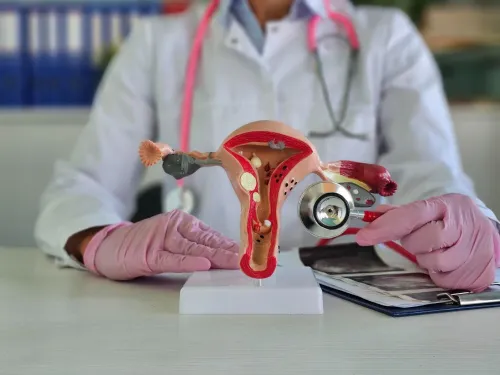
A referral becomes appropriate when suspected bowel endometriosis needs mapping, treatment planning or a second opinion beyond a general gynaecology clinic. A bowel endometriosis surgeon referral is especially relevant when:
- Imaging or examination suggests deep disease on the bowel surface or within its muscular wall, including rectum and sigmoid colon lesions.
- A lesion narrows the bowel lumen, creating a risk of difficult passage or obstruction.
- Pain, bowel changes or daily restrictions continue despite hormonal treatment.
- Hormonal treatment is contraindicated, causes unacceptable effects or does not fit your fertility plans or preferences.
A suspected or confirmed deep lesion is best reviewed by a specialist endometriosis service with coordinated expertise:
- A gynaecologic endometriosis surgeon to assess the disease and treatment options.
- An expert pelvic-imaging practitioner to map the lesion’s depth, length and position.
- A colorectal surgeon when bowel surgery may be needed.
Hormonal treatment can suppress pain and other symptoms, but it does not remove bowel lesions. Referral therefore makes sense even when medication provides partial relief, particularly if the remaining symptoms limit work, sleep, eating or normal activities.
A consultation with Endometriosis Surgeon in Pune can help coordinate this specialist assessment and clarify whether further imaging, observation, medication or surgery fits your situation. Referral does not mean surgery is inevitable; it gives you a team capable of judging the risks and alternatives accurately.
Related service
Bowel Endometriosis Endometriosis and Irritable Bowel Syndrome: Understanding the Double Struggle. View service → |
What should you weigh before agreeing to bowel endometriosis surgery?
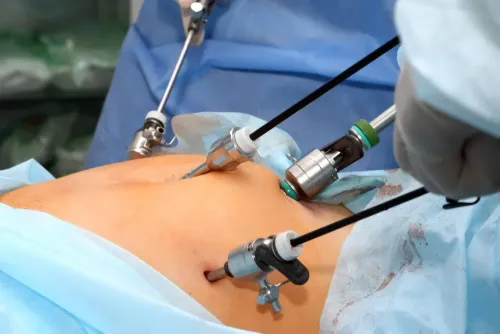
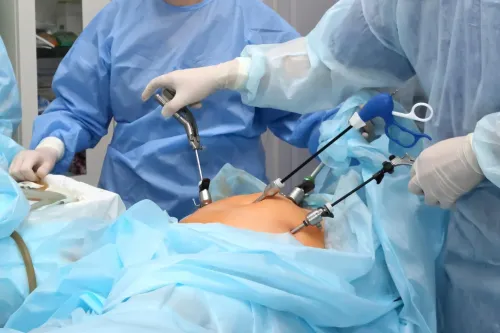
A scan showing bowel endometriosis does not automatically justify an operation. The decision weighs your symptoms, lesion depth and length, bowel narrowing, obstruction risk, previous treatment, fertility plans, and the likely symptom benefit against bowel endometriosis surgery risks.
1. Clarify what the scan means. Shaving removes disease from the bowel surface and is less extensive, but deeper disease can remain. Disc excision removes a localised full-thickness lesion. Segmental bowel resection removes a bowel segment and is considered for extensive, multifocal or significantly narrowing disease.
2. Compare benefit with harm. Surgery deserves stronger consideration when pain or bowel symptoms limit your life, treatment has failed or is unacceptable, or narrowing creates obstruction risk. Ask how often the team performs the proposed procedure and whether a colorectal surgeon will be present.
3. Use these questions for a colorectal surgeon: What are your rates of bowel leak, fistula, abscess, urinary retention, ureteric injury and altered bowel function? How often do patients need a temporary or permanent stoma? What bowel symptoms should improve, and what could remain?
Fertility planning before surgery matters. Surgery for asymptomatic disease is not routinely performed solely to improve fertility because benefit is uncertain and pelvic risks remain. If fertility is the main goal, discuss assisted reproduction or egg or embryo preservation before choosing an operation.
Frequently asked questions
Which bowel symptoms need medical assessment?
Arrange an assessment for cyclical rectal pain, painful bowel movements, constipation, diarrhoea, bloating, cramps, rectal bleeding, vomiting, or symptoms linked to menstruation.
When are bowel symptoms an emergency?
Seek urgent medical care for severe or rapidly worsening abdominal pain, persistent vomiting, heavy rectal bleeding, a swollen abdomen, or inability to pass stool or gas.
What tests can show bowel endometriosis?
A clinical examination, transvaginal ultrasound, and pelvic MRI can help identify deep endometriosis and assess bowel involvement. Your clinician may order other tests to exclude bowel conditions.
What should you weigh before agreeing to bowel endometriosis surgery?
Discuss the planned procedure, possible bowel repair or resection, complications, recovery time, symptom goals, fertility plans, and alternatives with the specialist.