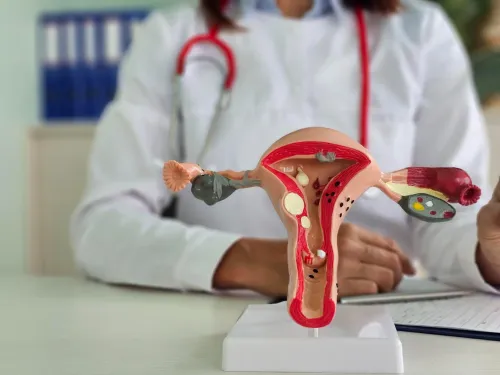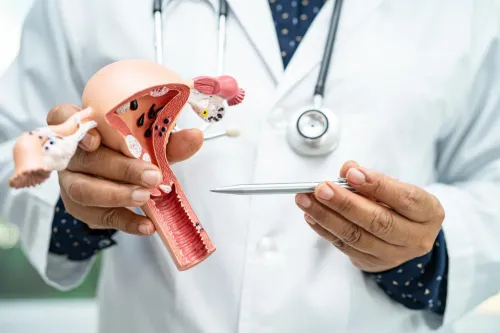

Deep or extensive endometriosis can sometimes affect more than the reproductive organs. Disease may be located around the ovaries, pelvic sidewalls, tissues behind the uterus, bowel, bladder, ureters, and other structures within the pelvis.
When this pattern is suspected, Advanced Endometriosis Surgery requires detailed preparation before the day of the procedure.
Start With Accurate Disease Mapping
One of the most important steps is understanding where endometriosis may be located.
A specialist pelvic ultrasound can provide valuable information. MRI may be recommended in selected cases when additional detail is needed, particularly where deep disease or organ involvement is suspected.
Imaging helps the surgeon anticipate the likely extent of the operation rather than discovering every aspect of disease unexpectedly during surgery.
Previous Surgery Changes the Picture
Women who have undergone previous laparoscopic procedures, ovarian cyst surgery, hysterectomy, caesarean delivery, or earlier endometriosis surgery should provide their operative records where available.
Previous operations may affect pelvic anatomy and adhesions.
Histopathology reports can also help clarify what tissue was previously removed.
Fertility Goals Need to Be Clear
Advanced disease does not remove the need for fertility-focused planning.
Women hoping for future pregnancy should discuss ovarian reserve, ovarian involvement, previous ovarian surgery, fallopian tube factors, age, and any fertility treatment plans before deciding on surgery.
The surgical strategy may need to balance disease treatment with preservation of reproductive structures where clinically possible.
Ask About Possible Organ Involvement
If imaging suggests disease close to the bowel, bladder, or ureters, patients should understand what that finding could mean for surgical planning.
Useful questions include:
- Which structures appear affected?
- How extensive does the disease appear?
- What procedures may become necessary?
- Could additional surgical expertise be required?
- What are the relevant complications?
- How could the operation affect recovery time?
- What findings might change the planned procedure?
These conversations are particularly important for complex cases.
Understand the Surgical Approach
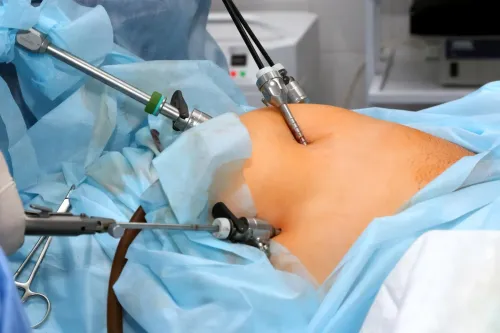
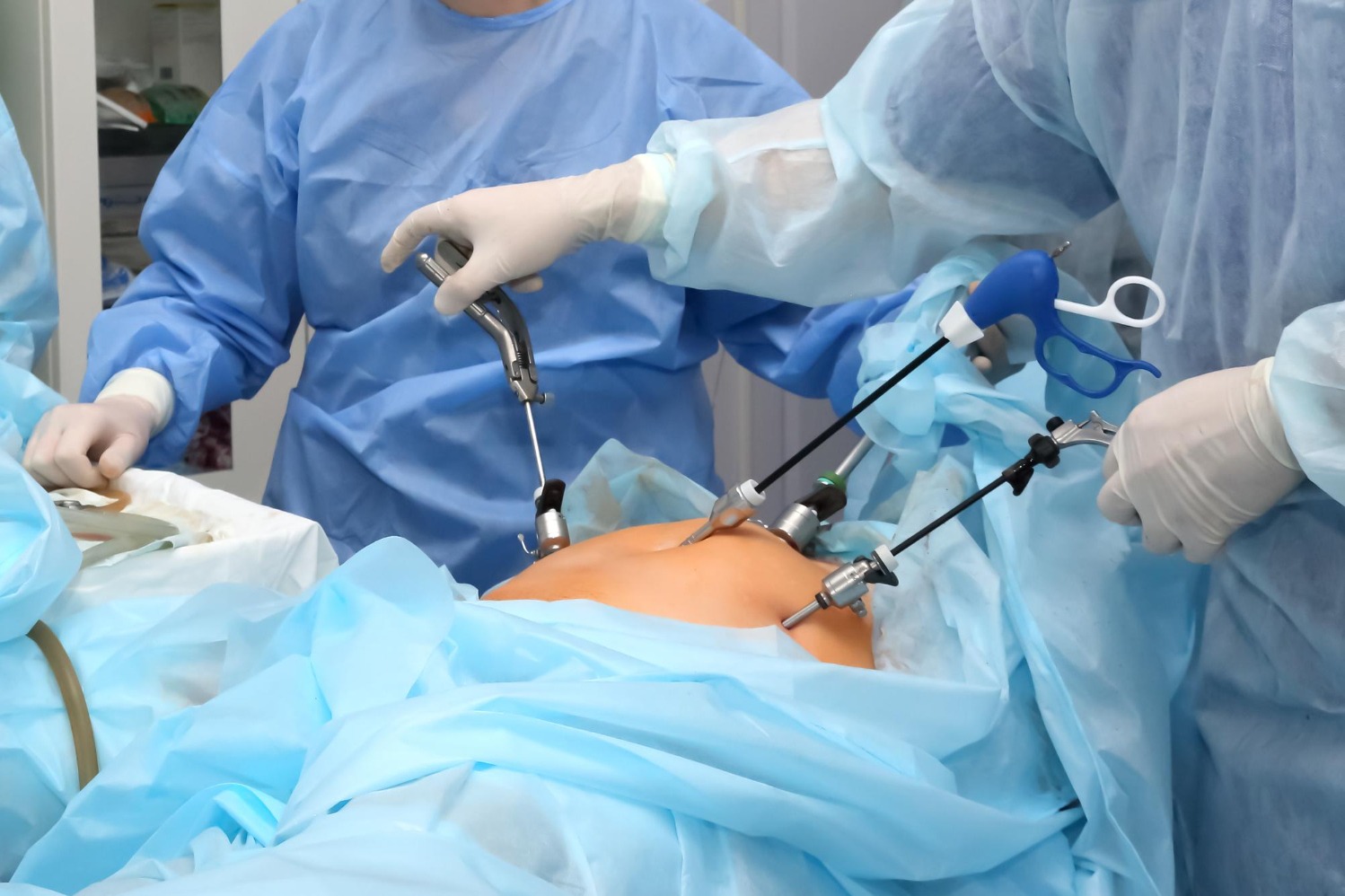
Minimally invasive surgery can include conventional laparoscopy and, in suitable situations, robotic-assisted techniques. The choice of approach depends on clinical findings, disease complexity, available technology, and the surgeon's assessment.
The presence of advanced technology should not be the sole reason to choose an operation.
Detailed planning and appropriate surgical judgement remain fundamental.
Prepare for Recovery in Advance
Patients should discuss expected hospitalisation, pain management, diet, mobility, wound care, return to work, activity restrictions, and postoperative follow-up.
Recovery can vary substantially depending on the extent of surgery.
Women travelling to Pune from elsewhere in Maharashtra should also consider accommodation, transport, accompanying family support, and follow-up requirements before finalising treatment dates.
Dr. Mahindra Borse evaluates and manages advanced endometriosis and complex minimally invasive gynaecological surgical cases in Pune, including situations requiring detailed preoperative assessment.
Readiness Comes From Understanding the Plan
Before proceeding with complex surgery, a patient should have a clear picture of the suspected disease distribution, the objective of treatment, alternative management options, potential fertility implications, major risks, and anticipated recovery.
Advanced endometriosis is not defined by pain intensity alone. It is largely about disease location, depth, anatomical involvement, and the complexity of treatment required.
A well-prepared surgical plan brings those factors together before an operation begins, allowing the procedure to be considered within the patient's wider health, reproductive priorities, and long-term gynaecological care.