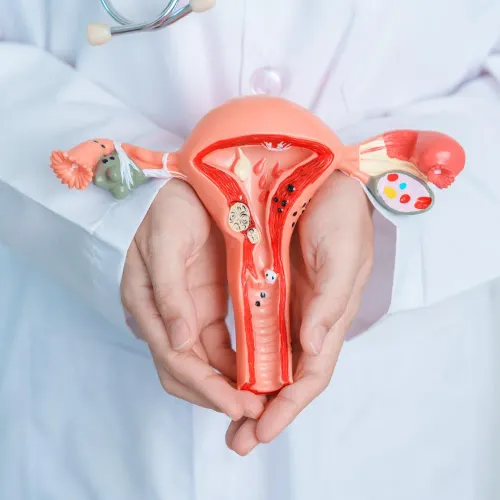

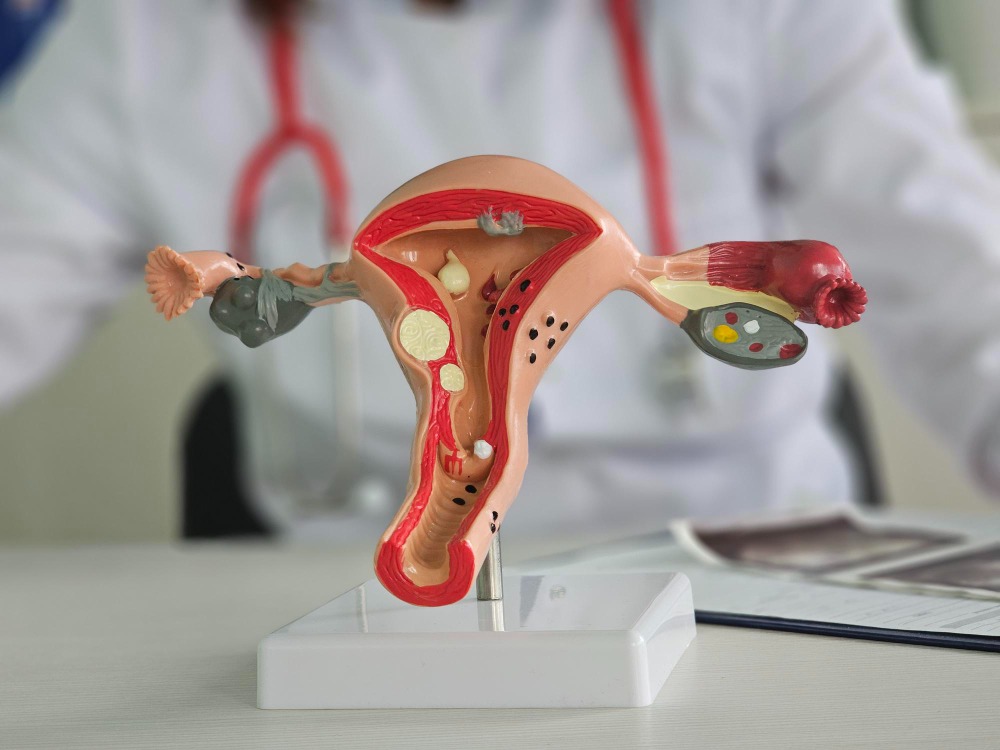
Endometriosis is a chronic gynecological condition that affects millions of women during their reproductive years. Despite being common, it is frequently misunderstood, leading many women to live with pain and discomfort for years before receiving the right diagnosis. While medications and hormonal treatments can help manage symptoms in some cases, surgery becomes an important option when the disease is severe, affects fertility, or significantly impacts daily life. This is where an endometriosis surgeon plays a crucial role.
Understanding what an endometriosis surgeon does and knowing when to seek specialized care can help women make informed decisions about their health and improve their quality of life.
Who Is an Endometriosis Surgeon?
An endometriosis surgeon is a gynecological specialist with advanced training in diagnosing and surgically treating endometriosis. Unlike routine gynecological procedures, endometriosis surgery often requires expertise in minimally invasive laparoscopic or robotic techniques to remove disease while preserving healthy reproductive organs whenever possible.
The surgeon evaluates the extent of the condition, identifies deeply infiltrating lesions, and creates a personalized treatment plan based on the patient's symptoms, fertility goals, and overall health.
In complex cases, surgery may involve removing endometriosis affecting the ovaries, bowel, bladder, pelvic ligaments, or surrounding tissues while minimizing damage to nearby organs.
What Does an Endometriosis Surgeon Do?
The responsibilities of an experienced specialist extend far beyond performing surgery.
They typically:
- Review your complete medical history.
- Assess menstrual and pelvic pain patterns.
- Perform detailed pelvic examinations.
- Recommend advanced imaging when necessary.
- Differentiate endometriosis from other pelvic disorders.
- Discuss medical and surgical treatment options.
- Perform minimally invasive laparoscopic or robotic surgery.
- Preserve fertility whenever possible.
- Provide long-term follow-up to reduce recurrence risks.
Because endometriosis presents differently in every woman, treatment is always individualized.
Signs You Should Consult an Endometriosis Surgeon
Many women initially believe their symptoms are simply part of a normal menstrual cycle. However, certain warning signs should not be ignored.
Consider consulting a specialist if you experience:
- Severe menstrual cramps that interfere with daily activities
- Chronic pelvic pain lasting beyond your menstrual cycle
- Pain during sexual intercourse
- Heavy or irregular menstrual bleeding
- Pain while passing urine or bowel movements during periods
- Difficulty becoming pregnant
- Persistent lower back pain associated with menstruation
- Ovarian cysts diagnosed as endometriomas
- Symptoms that continue despite medication
Seeking expert evaluation early can prevent disease progression and reduce long-term complications.
Why Specialized Surgical Care Matters
Endometriosis can range from mild surface lesions to deep infiltrating disease involving multiple pelvic organs. Removing only visible tissue without addressing deeper disease may result in persistent symptoms.
A specialist understands how to:
- Completely evaluate disease severity
- Preserve healthy ovarian tissue
- Minimize surgical complications
- Reduce recurrence risk
- Protect fertility whenever possible
Women with advanced disease often benefit from comprehensive surgical planning rather than undergoing multiple incomplete procedures.
How Is Endometriosis Diagnosed?
Diagnosis begins with a detailed consultation.
Your specialist may recommend:
- Pelvic examination
- Ultrasound
- MRI in selected complex cases
- Review of previous surgical history
- Diagnostic laparoscopy when imaging is inconclusive
Laparoscopy remains one of the most reliable methods for confirming endometriosis while allowing treatment during the same procedure when appropriate.
Is Surgery Always Necessary?
Not every woman with endometriosis requires surgery.
Depending on age, symptoms, fertility plans, and disease severity, treatment may include:
- Pain management medications
- Hormonal therapy
- Lifestyle modifications
- Fertility treatment
- Surgical excision of endometriosis
The decision is based on individual needs rather than following a single treatment approach.
Choosing the Right Specialist
Experience plays a significant role in achieving successful outcomes, particularly for advanced or recurrent disease. Women seeking specialized care in Pune often look for surgeons who routinely manage complex laparoscopic endometriosis cases and emphasize fertility preservation whenever possible.
Dr. Mahindra Borse is among the specialists providing advanced evaluation and minimally invasive surgical management for women with endometriosis in Pune. Through individualized treatment planning, patients receive care based on the severity of their condition rather than a one-size-fits-all approach.
Living with severe pelvic pain is never something that should simply be accepted. Consulting an experienced endometriosis surgeon at the right time can help establish an accurate diagnosis, relieve symptoms, and support better reproductive health for women across Pune and Maharashtra.