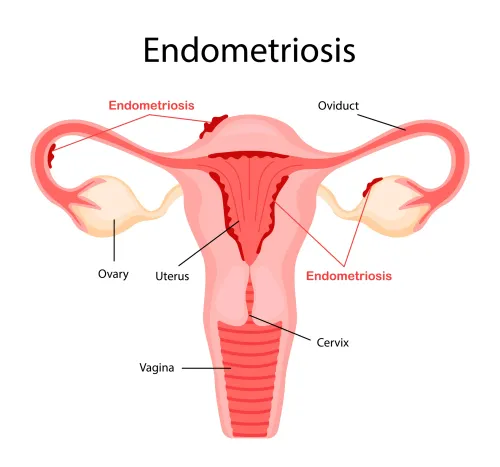


Endometriosis is often associated with menstrual and pelvic pain, but the condition can sometimes affect tissues close to the bowel. When this happens, symptoms may be mistaken for ordinary digestive problems, especially when bloating, constipation, painful bowel movements, and abdominal discomfort are the most noticeable complaints.
A Bowel Endometriosis Surgeon assessment may become relevant when symptoms and imaging raise concern about deep endometriosis involving the rectum, sigmoid colon, or surrounding pelvic tissues.
The Menstrual Pattern Can Provide an Important Clue
Digestive symptoms alone are not enough to diagnose bowel endometriosis. Irritable bowel syndrome, inflammatory bowel conditions, constipation, food intolerance, and other gastrointestinal disorders may produce similar symptoms.
However, symptoms that consistently become worse around menstruation deserve attention.
Women may report:
- Pain while passing stool during periods
- Deep pelvic pressure
- Cyclical constipation
- Diarrhoea around menstruation
- Significant abdominal bloating
- Pain extending towards the rectal area
- Pelvic pain during intercourse
- Difficulty conceiving alongside digestive symptoms
Some patients have symptoms throughout the month but notice a clear menstrual worsening.
How Bowel Endometriosis Is Evaluated
Assessment generally begins with a detailed history and gynaecological examination where appropriate. Specialist pelvic ultrasound can provide valuable information, while MRI may be recommended in selected cases to understand the location and depth of suspected disease.
The purpose of imaging is not merely to confirm that endometriosis may be present. It can help identify whether disease appears superficial, deeply infiltrating, associated with adhesions, or affecting multiple pelvic structures.
This information becomes especially important before an operation.
Why Surgical Planning Can Be More Complex
Bowel endometriosis requires thoughtful planning because the reproductive and digestive organs lie close together within the pelvis. The appropriate surgical technique depends on factors such as lesion size, depth, bowel involvement, symptoms, fertility goals, and findings elsewhere in the pelvis.
Not every bowel lesion requires the same procedure.
Depending on individual findings, management may range from conservative treatment to different surgical approaches. The potential benefits and risks need to be discussed before deciding on an operation.
Multidisciplinary Planning May Be Relevant
In complex cases, collaboration between specialists may be considered depending on the structures involved. This allows surgical planning to reflect the extent of disease rather than treating each symptom separately.
Dr. Mahindra Borse provides assessment for endometriosis and advanced gynaecological surgical conditions in Pune. Women travelling from different areas of Maharashtra for evaluation can make their appointment more productive by bringing previous ultrasound reports, MRI findings, operative notes, fertility records, and a summary of previous medical treatment.
Symptoms Should Be Considered as a Whole
A woman with bowel symptoms and painful periods should not assume that every digestive complaint is caused by endometriosis. Equally, recurring menstrual bowel pain should not automatically be dismissed as routine digestive discomfort.
The useful question is whether the symptom pattern, examination, and imaging findings point towards deep pelvic endometriosis.
Identifying the possible location and extent of disease helps determine whether observation, medical management, fertility planning, or specialist surgical assessment is the most appropriate next step.