
Persistent pelvic pain can affect work, sleep, exercise, relationships, and everyday activities. While menstrual discomfort is common, pain that repeatedly interferes with normal life deserves careful assessment. For some women, endometriosis may be one possible cause, particularly when symptoms follow a recurring pattern around menstruation.
An Endometriosis Surgeon is a gynaecological surgeon with experience in assessing and surgically managing endometriosis, including disease that may affect structures beyond the reproductive organs. Surgical care is not automatically necessary for everyone diagnosed with endometriosis. The decision depends on symptoms, imaging findings, fertility plans, previous treatments, and the suspected extent of disease.
Symptoms That Deserve Closer Evaluation
Endometriosis can present differently from one woman to another. Some experience severe symptoms despite relatively limited visible disease, while others may have extensive disease with less obvious discomfort.
Symptoms that may prompt further evaluation include:
- Persistent pelvic pain
- Increasingly painful periods
- Pain during intercourse
- Pain during bowel movements
- Urinary discomfort linked with menstruation
- Difficulty conceiving
- Persistent lower abdominal discomfort
- Recurrent symptoms despite previous treatment
These symptoms do not automatically confirm endometriosis. Fibroids, adenomyosis, ovarian cysts, pelvic inflammatory conditions, and gastrointestinal problems can produce overlapping complaints.
Why Accurate Assessment Matters
A detailed clinical history often provides important clues. The timing of symptoms, menstrual pattern, previous pregnancies, fertility history, earlier surgeries, and response to medication can all influence the next step.
Ultrasound and, in selected situations, MRI may help identify ovarian endometriomas, deep lesions, adhesions, adenomyosis, and involvement of nearby pelvic structures. Imaging also assists specialists in planning treatment when surgery is being considered.
For women in Pune and other parts of Maharashtra, access to specialised gynaecological evaluation can be particularly useful when symptoms have persisted despite routine treatment.
Surgery Is Only One Part of Management
Treatment needs to be individualised. Depending on the situation, management may include pain relief, hormonal treatment, fertility planning, monitoring, lifestyle measures, and surgery.
Surgery may enter the discussion when symptoms are significant, medical management is unsuitable or insufficient, fertility-related concerns require evaluation, or imaging suggests complex disease.
Dr. Mahindra Borse evaluates women with endometriosis and related gynaecological conditions in Pune, including patients who may require laparoscopic assessment and surgical management.
What Surgical Planning May Involve
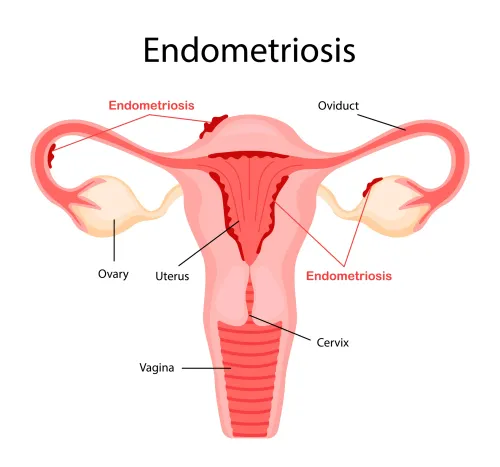
When surgery is appropriate, the objective is generally to address identified disease while protecting healthy structures as much as reasonably possible. Complex endometriosis can sometimes involve the ovaries, fallopian tubes, bowel, bladder, ureters, pelvic sidewall, and tissues behind the uterus.
This is why preoperative mapping and careful surgical planning can be important.
The broader goal is not simply to operate because endometriosis has been diagnosed. It is to understand where the disease may be located, how it relates to the woman's symptoms and reproductive plans, and whether surgery offers a reasonable role within her overall treatment strategy.
Women experiencing persistent symptoms can benefit from documenting their pain pattern, menstrual changes, previous treatment, fertility concerns, and relevant scan reports before a consultation. A clearer clinical picture helps determine whether specialist surgical evaluation is appropriate.