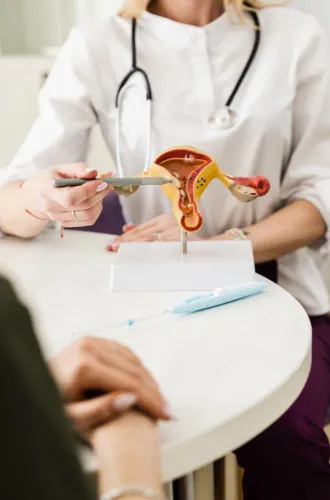

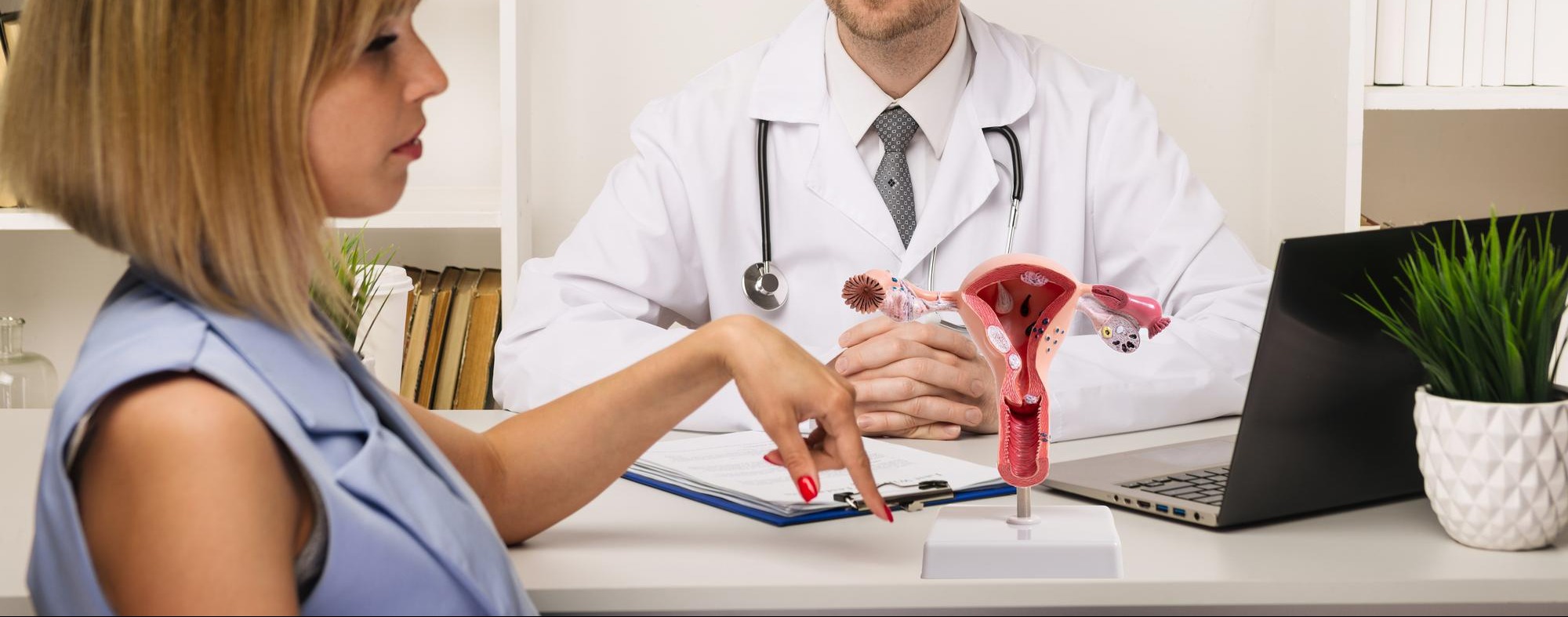
Diagnosing endometriosis can be challenging, particularly when the disease extends beyond the reproductive organs. Many women spend years seeking answers because symptoms vary widely and often resemble other medical conditions. In complex cases, accurate diagnosis requires more than a routine gynecological examination. It demands specialized knowledge, careful evaluation, and advanced diagnostic techniques.
Understanding how an experienced endometriosis surgeon approaches complex cases helps patients appreciate why early referral to a specialist can make a significant difference in treatment outcomes.
Why Complex Endometriosis Is Difficult to Diagnose
Endometriosis occurs when tissue similar to the uterine lining grows outside the uterus. While some women develop small superficial lesions, others experience deep infiltrating endometriosis that affects nearby organs such as the ovaries, bowel, bladder, ureters, pelvic nerves, and supporting ligaments.
Because symptoms differ from one patient to another, diagnosis cannot rely on a single test or symptom alone.
Some women experience severe pelvic pain, while others primarily struggle with infertility or digestive complaints.
The First Step Is a Detailed Medical History
An experienced surgeon begins by understanding the complete picture rather than focusing on one symptom.
Important areas discussed include:
- Age when symptoms first appeared
- Menstrual cycle patterns
- Severity of pelvic pain
- Pain during intercourse
- Digestive symptoms during menstruation
- Urinary discomfort
- Previous surgeries
- Fertility concerns
- Family history of endometriosis
This conversation often provides valuable clues that guide further investigation.
Comprehensive Physical Examination
A pelvic examination helps identify tenderness, nodules, restricted pelvic movement, or enlarged ovaries.
Although physical findings alone cannot confirm endometriosis, they contribute to the overall assessment, particularly in women with long-standing symptoms.
Advanced Imaging Plays an Important Role
Modern imaging techniques improve the ability to identify extensive disease before surgery.
Depending on the patient's condition, investigations may include:
- High-resolution pelvic ultrasound
- Transvaginal ultrasound
- MRI for suspected deep infiltrating disease
MRI is particularly useful when bowel, bladder, or urinary tract involvement is suspected.
However, imaging does not detect every type of endometriosis. Small superficial lesions may remain invisible despite advanced scans.
When Laparoscopy Becomes Necessary
Diagnostic laparoscopy remains the gold standard for confirming endometriosis.
During this minimally invasive procedure, the surgeon inserts a small camera through tiny abdominal incisions to examine the pelvic cavity directly.
This approach allows the specialist to:
- Confirm the diagnosis
- Identify disease severity
- Locate hidden lesions
- Assess scar tissue
- Remove endometriosis during the same procedure when appropriate
Combining diagnosis and treatment in one surgery often reduces the need for multiple procedures.
Identifying Complex Disease
Advanced endometriosis may involve several organs simultaneously.
An experienced surgeon carefully evaluates:
- Ovaries
- Fallopian tubes
- Uterus
- Bowel
- Bladder
- Ureters
- Pelvic sidewalls
- Diaphragm in selected cases
Understanding the full extent of disease helps create a personalized surgical plan while protecting important organs and preserving fertility whenever possible.
Why Specialist Experience Matters
Incomplete diagnosis can leave disease untreated, leading to persistent symptoms or repeat surgeries.
Women with suspected advanced endometriosis benefit from surgeons who routinely manage complex laparoscopic and robotic procedures, collaborate with multidisciplinary teams when necessary, and prioritize complete disease removal while minimizing complications.
In Pune, women referred for difficult or recurrent endometriosis often seek specialists experienced in advanced minimally invasive gynecological surgery. Dr. Mahindra Borse evaluates complex cases through detailed clinical assessment, modern imaging, and individualized surgical planning to ensure treatment addresses the full extent of the condition.
An accurate diagnosis forms the foundation of successful endometriosis treatment. Seeking specialist evaluation early can reduce delays, improve symptom control, preserve reproductive health, and provide women across Pune and Maharashtra with greater confidence in their treatment journey.