
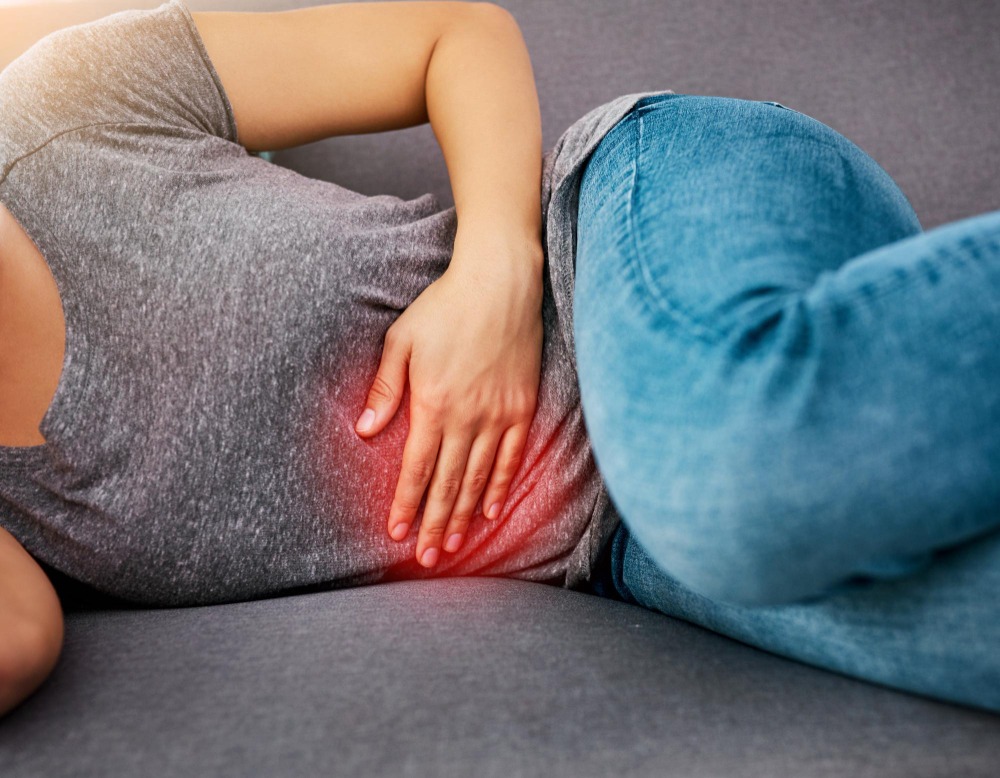
Menstrual cramps are common, but not all period pain is considered normal. Many women assume that intense pain during menstruation is something they simply have to endure. However, when pain becomes severe enough to interfere with work, studies, relationships, or daily activities, it may be a sign of an underlying condition such as endometriosis.
Recognizing the difference between normal menstrual discomfort and endometriosis-related pain can help women seek medical evaluation sooner and avoid years of unnecessary suffering.
What Is Considered Normal Period Pain?
Mild to moderate cramping usually begins shortly before or during menstruation. It occurs because the uterus contracts to shed its lining.
Normal menstrual pain generally:
- Starts one or two days before or at the beginning of the period
- Improves within two to three days
- Responds well to over-the-counter pain relief
- Does not prevent normal daily activities
- Occurs without significant pain between menstrual cycles
Although uncomfortable, typical menstrual cramps are temporary and predictable.
How Endometriosis Pain Is Different
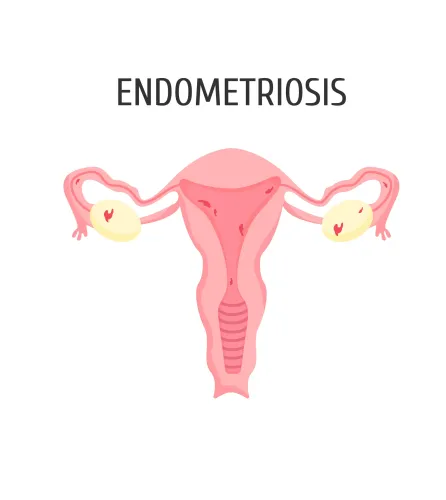
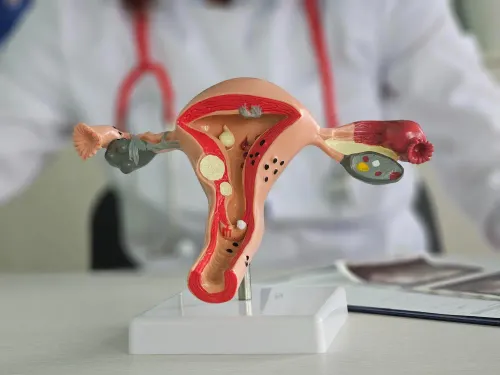
Endometriosis develops when tissue similar to the lining of the uterus grows outside the uterus. These implants respond to hormonal changes during the menstrual cycle, causing inflammation, irritation, and scar tissue formation.
Unlike normal cramps, endometriosis pain often becomes progressively worse over time.
Women with endometriosis may experience:
- Severe pelvic pain before, during, and after periods
- Pain that continues throughout the month
- Sharp or deep pain during sexual intercourse
- Painful bowel movements during menstruation
- Pain while urinating during periods
- Chronic lower back pain
- Pain that does not improve with standard pain medication
- Fatigue accompanying pelvic discomfort
The intensity of pain does not always reflect the severity of the disease. Some women with mild endometriosis experience severe pain, while others with extensive disease may have relatively few symptoms.
Comparing Normal Period Pain and Endometriosis Pain
Understanding the differences can help identify when medical advice is needed.
Normal menstrual pain:
- Lasts only a few days
- Improves with rest and medication
- Rarely affects fertility
- Does not usually worsen over time
Endometriosis-related pain:
- May begin several days before menstruation
- Can continue after the period ends
- Often becomes more severe over the years
- May interfere with work, exercise, and sleep
- Can be associated with infertility
If your symptoms fit the second pattern, an evaluation by a specialist is recommended.
Other Symptoms That Should Not Be Ignored
Pain is only one part of endometriosis. Other symptoms may include:
- Heavy menstrual bleeding
- Irregular periods
- Persistent bloating
- Digestive discomfort around menstruation
- Ovarian cysts
- Difficulty becoming pregnant
- Chronic fatigue
Experiencing several of these symptoms together increases the likelihood that further investigation is needed.
How Doctors Diagnose Endometriosis
Diagnosis starts with a detailed discussion about symptoms, menstrual history, and overall health.
Depending on your condition, investigations may include:
- Pelvic examination
- Ultrasound
- MRI for complex disease
- Diagnostic laparoscopy
Laparoscopy remains the most reliable method for confirming endometriosis while allowing treatment when appropriate.
Why Early Diagnosis Matters
Ignoring severe menstrual pain can delay treatment for years. During this time, endometriosis may continue to spread, causing scar tissue, ovarian cysts, and complications involving the bowel or bladder.
Early diagnosis can help:
- Control pain more effectively
- Preserve fertility
- Reduce disease progression
- Improve quality of life
- Minimize the need for repeated surgeries
Women in Pune experiencing persistent pelvic pain should not assume it is simply part of menstruation. Dr. Mahindra Borse evaluates women with suspected endometriosis using a personalized approach that considers symptoms, reproductive goals, and the extent of disease before recommending treatment.
Every woman experiences menstruation differently, but severe pain should never be accepted as normal. Understanding the distinction between routine menstrual cramps and endometriosis pain is an important step toward receiving timely care and protecting long-term reproductive health in Pune and across Maharashtra.