
Many women diagnosed with endometriosis ask an important question: can it be prevented? While there is currently no guaranteed way to prevent endometriosis, adopting healthy lifestyle habits may help support overall reproductive health, reduce inflammation, and improve symptom management.
Lifestyle changes are not a replacement for medical treatment, but they can become an important part of a comprehensive care plan. Understanding what you can control empowers you to make informed decisions for your long-term well-being.
Can Endometriosis Be Completely Prevented?
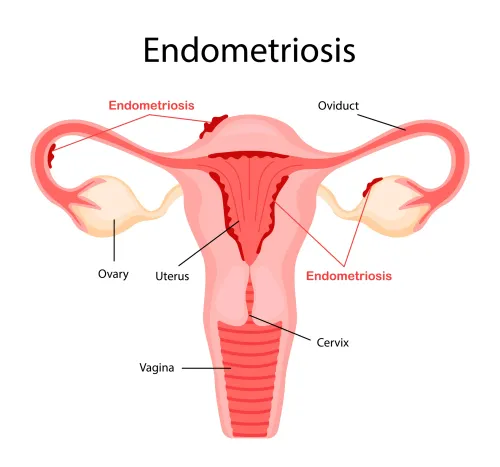
Medical research has not identified a proven method to completely prevent endometriosis. The condition is influenced by several factors, including genetics, hormones, immune function, and menstrual biology.
Although prevention is not always possible, early recognition of symptoms and timely treatment can reduce complications and improve quality of life.
Women with a family history of endometriosis or persistent menstrual pain should be particularly attentive to changes in their health.
Healthy Habits That May Support Women's Health
Certain daily habits may help reduce inflammation and support hormonal balance.
Eat a Balanced Diet
A nutritious diet supports overall reproductive health.
Focus on foods such as:
- Fresh fruits
- Green leafy vegetables
- Whole grains
- Lean protein
- Omega-3-rich fish
- Nuts and seeds
Limiting processed foods, excessive sugar, and highly processed fats may also contribute to better overall health.
Stay Physically Active
Regular exercise can improve blood circulation, reduce stress, and help maintain hormonal balance.
Activities such as:
- Walking
- Swimming
- Cycling
- Yoga
- Stretching exercises
can often be incorporated into a healthy routine without excessive strain.
Maintain a Healthy Weight
Maintaining an appropriate body weight supports hormonal regulation and may reduce the risk of several gynecological health concerns.
Healthy weight management should focus on balanced nutrition and sustainable physical activity rather than restrictive dieting.
Manage Stress Effectively
Living with chronic pain can increase emotional stress, while ongoing stress may also worsen the perception of pain.
Helpful stress-management techniques include:
- Meditation
- Deep breathing exercises
- Adequate sleep
- Mindfulness practices
- Relaxation techniques
Mental well-being is an important part of overall health.
Pay Attention to Menstrual Changes
Many women normalize painful periods for years before seeking medical advice.
Keep track of:
- Pain severity
- Menstrual flow
- Cycle length
- Pelvic discomfort
- Digestive symptoms during periods
- Pain during intercourse
Maintaining a menstrual diary can help your doctor identify patterns and guide further evaluation.
Avoid Delaying Medical Assessment
Lifestyle habits alone cannot remove endometriosis tissue if the disease is present.
Consult a specialist if you experience:
- Severe menstrual cramps
- Chronic pelvic pain
- Heavy bleeding
- Pain during bowel movements
- Pain while urinating during menstruation
- Difficulty conceiving
Early diagnosis allows treatment before the condition becomes more advanced.
Medical Care Remains Essential
Treatment depends on factors such as:
- Age
- Symptom severity
- Fertility goals
- Extent of disease
- Previous treatments
Management may include medications, hormonal therapy, minimally invasive laparoscopic surgery, or robotic procedures for complex cases.
Women in Pune seeking specialized care for suspected or confirmed endometriosis often benefit from an individualized treatment plan. Dr. Mahindra Borse combines detailed clinical evaluation with advanced minimally invasive surgical expertise when conservative treatments are no longer sufficient.
While no lifestyle habit can completely prevent endometriosis, healthy daily choices can support overall reproductive wellness and complement appropriate medical care. Women across Pune and Maharashtra who experience persistent symptoms should remember that severe menstrual pain is never something to ignore, and early specialist consultation can make a meaningful difference in long-term health outcomes.