
Women seeking an Endometriosis Specialist are often doing so after months or years of symptoms, multiple consultations, conflicting explanations, or treatments that have not fully addressed their concerns.
A specialist assessment should do more than identify a lesion on an ultrasound. Endometriosis needs to be considered in the context of symptoms, fertility goals, previous treatment, imaging findings, and possible involvement of multiple pelvic structures.
Start With a Detailed Symptom Review
The location and timing of symptoms can provide important clues.
A useful consultation may explore menstrual pain, pain during intercourse, bowel symptoms, urinary symptoms, chronic pelvic discomfort, previous pregnancies, infertility, medication response, and earlier operations.
Patients should mention symptoms even when they do not initially seem gynaecological.
Cyclical bowel or urinary problems can sometimes be relevant when deep endometriosis is suspected.
Expect Imaging to Be Interpreted in Context
An ultrasound finding does not always explain the severity of symptoms.
Similarly, significant symptoms can sometimes occur without dramatic findings on routine imaging.
Specialist ultrasound and MRI may provide additional anatomical information in selected cases, particularly when deep disease is suspected.
The important question is how the imaging relates to the patient's overall presentation.
Fertility Should Be Discussed Early
For women hoping to become pregnant, reproductive plans can materially change management.
An endometriosis specialist should consider factors such as age, ovarian reserve, endometriomas, previous ovarian surgery, duration of infertility, and fertility treatment plans when discussing potential surgery.
Women who are not currently trying for pregnancy may still want future fertility considered before treatment.
Ask About Both Surgical and Non Surgical Management
A specialist consultation should not automatically end with a recommendation for an operation.
Depending on the patient, medical management, monitoring, pain management, fertility care, or surgery may be considered.
If surgery is recommended, the reason should be understandable.
Patients can ask what the operation is intended to achieve and how the expected benefits compare with continued conservative management.
Complex Disease Needs Broader Planning
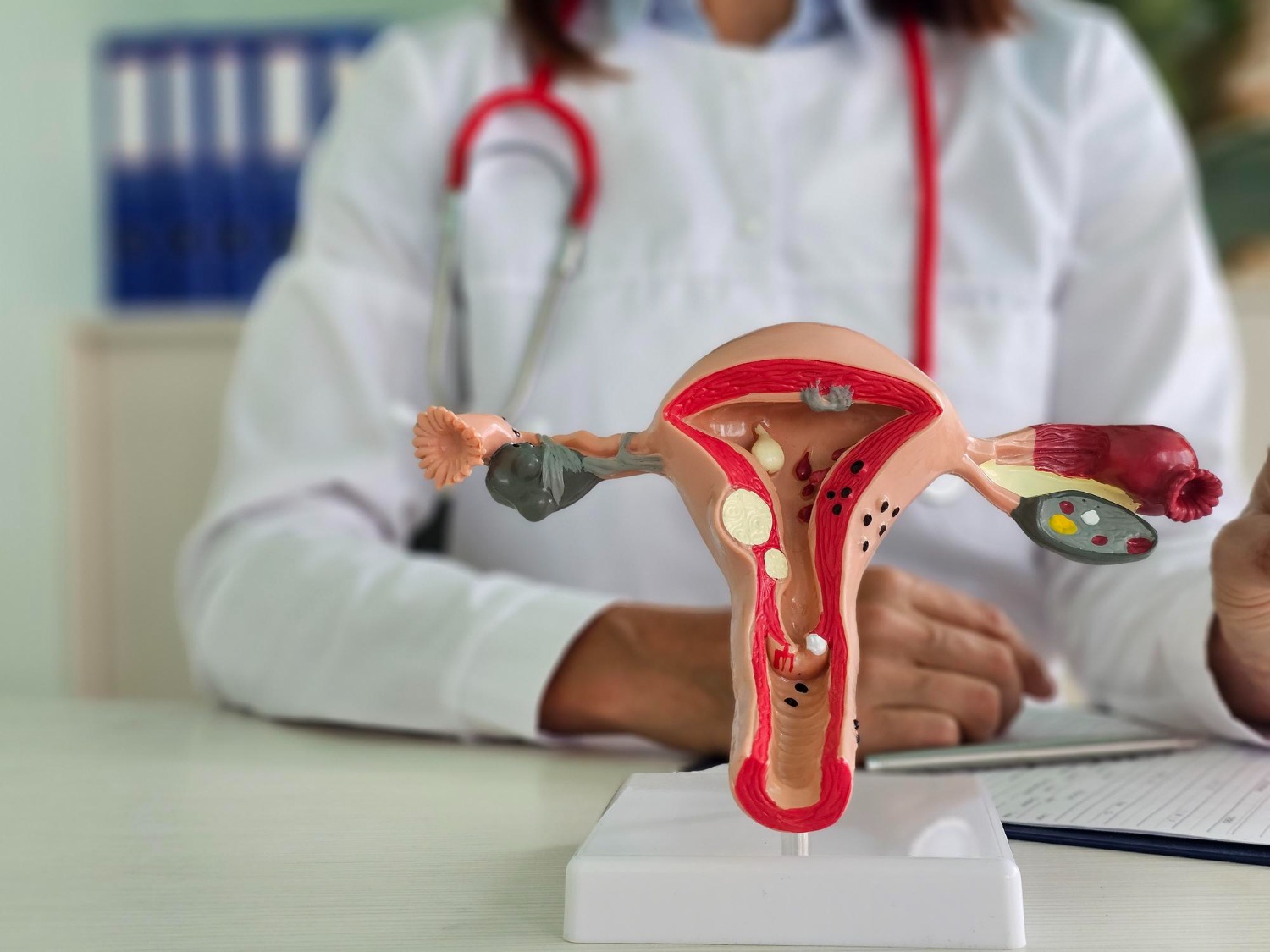
Deep endometriosis may involve the bowel, bladder, ureters, ovaries, pelvic sidewall, and tissues behind the uterus.
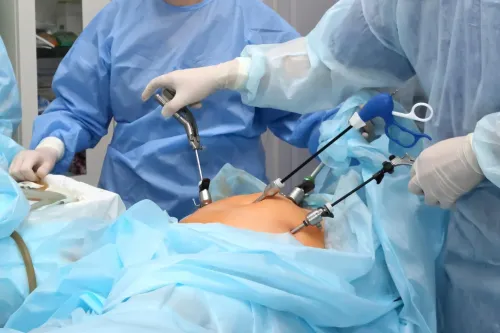
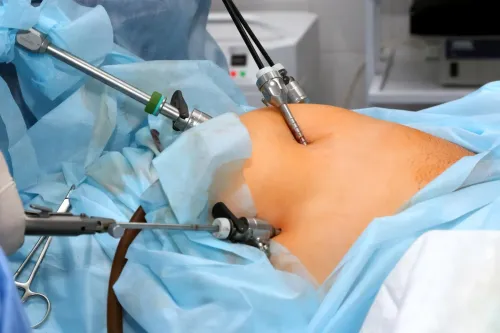
When this is suspected, surgical planning may require more extensive evaluation and, in selected situations, coordination with other disciplines.
Dr. Mahindra Borse provides specialist assessment for endometriosis and complex gynaecological conditions in Pune, Maharashtra, including patients being evaluated for minimally invasive surgical treatment.
Use the First Consultation to Assess Communication
Provider selection is also about whether information is explained clearly.
After the appointment, a patient should ideally understand the suspected diagnosis, additional investigations needed, available treatment options, reasons for considering surgery, relevant risks, fertility implications, and likely follow-up.
Bring previous reports and prepare questions in advance. A written symptom timeline is particularly useful for women with long or complicated medical histories.
Choosing specialist care is not simply about finding someone who treats endometriosis. It is about finding an approach capable of connecting symptoms, imaging, fertility, pelvic anatomy, treatment history, and patient priorities into one coherent management plan.