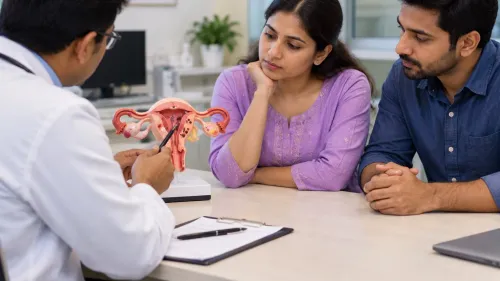

Two people can have similar endometriosis findings yet describe very different levels of pain, fatigue, fertility concerns, and disruption to daily life. By the end, you will have a practical way to understand those differences, record your own experience, follow the diagnostic pathway, and prepare for treatment decisions without treating one person’s story as a template for everyone.
Key takeaways
- Lesion size does not predict pain, fatigue, infertility, or daily disruption.
- Record symptoms, bleeding, pain triggers, medicines, and missed activities between appointments.
- Match treatment decisions to disease location, symptom burden, pregnancy plans, and personal priorities.
- Ask for care that addresses complex disease rather than relying on one symptom or scan.
Why Endometriosis Stories Can Look Nothing Alike
Two people can have similar visible lesions and completely different endometriosis symptoms. One may have severe period pain that stops work or sleep; another may have chronic pelvic pain, pain during sex, fatigue, or infertility with little day-to-day pain. Lesion size alone cannot predict the burden.
Pain can also persist after lesions are treated because the nervous system and nearby tissues have changed. Differences in lesion location, inflammation, hormone response, fertility history, sleep, stress, and coexisting conditions further shape each person’s experience.
- Inflammation can irritate pelvic tissues and trigger pain during or between periods.
- Nerve sensitization can make ordinary pressure feel painful and allow pain to continue after inflammation settles.
- Pelvic-floor muscle dysfunction can cause pain during sex, sitting, movement, or bowel movements.
- Bowel, bladder, or other overlapping pain conditions can add symptoms that do not match the visible disease.
A normal pelvic examination or transvaginal ultrasound does not exclude endometriosis. NICE recommends ultrasound for suspected disease, but persistent symptoms still warrant further assessment when the scan is normal. Treatment choices also affect stories: hormonal treatment suppresses activity but does not remove lesions, while surgery targets specific disease and cannot guarantee permanent relief.
Judge the condition by symptoms, daily impact, fertility priorities, examination, and imaging—not by a lesion count alone.
From First Symptoms to a Workable Diagnosis
A workable endometriosis diagnosis starts with a pattern, not a single test. At the first appointment, explain how symptoms change through the cycle, where they occur, and what they stop you doing.
Bring symptom tracking that shows:
- Cycle day, bleeding duration, pain score from 0 to 10, and pain location
- Bowel or bladder changes, pain during sex, fatigue, and sleep disruption
- Missed work, school, exercise, travel, or social plans
- Medicines tried, dose, benefit, side effects, and whether you are trying to conceive
A pelvic examination can add information, but a normal result does not exclude endometriosis. NICE recommends a transvaginal ultrasound for suspected endometriosis, yet a normal scan also cannot rule it out. Ask who interpreted the images and whether the service assesses deep disease.
Ultrasound or MRI can map deep endometriosis before surgery, including possible bowel, bladder, or ureter involvement. A negative study without specialist endometriosis protocols or interpretation provides less reassurance than an expert scan.
Treatment does not always wait for certainty. A clinician can offer hormonal treatment while investigations continue. If imaging is negative or unsuitable and suspicion remains, discuss diagnostic laparoscopy; it is not an automatic first step.
Ask when you will review the results and what happens if symptoms persist. Referral is appropriate when symptoms disrupt daily activities or initial treatment fails, causes unacceptable effects, or cannot be used. Your priorities, including fertility plans, belong in the diagnosis conversation—not after it.
Recording the Story You Live Between Appointments
A useful endometriosis diary records function, not only the worst pain. It gives you evidence of what happens between appointments and shows which changes deserve medical attention.
Record these details each day:
- Cycle day, bleeding duration, and whether bleeding was light, heavy, or unexpected
- Pain score from 0 to 10, its location, duration, and triggers
- Bowel symptoms, including painful bowel movements, constipation, diarrhoea, urgency, or blood
- Urinary symptoms, including pain, urgency, frequency, or blood
- Medicines, dose, timing, and the amount of relief
- Sleep lost, fatigue the next day, and whether movement became difficult
- Work or school missed, reduced concentration, or tasks you could not complete
- Travel disrupted by bathroom access, pain, bleeding, or medication needs
- Changes in sex, intimacy, social plans, or communication with partners
Add a short note after each episode: what you had planned, what you cancelled, and what helped. “Could not sit through a two-hour class” tells a clinician more about impact than “bad pain.”
Bring the record to appointments, along with fertility goals and questions about preserving ovarian tissue. This matters if an ovarian endometrioma is present: removing it can reduce ovarian reserve, with greater concern after bilateral or repeat surgery.
Tracking helps you discuss pain and recurrence against future pregnancy priorities rather than treating an imaging finding in isolation.
Matching Treatment to Disease, Priorities, and Fertility Plans
Treatment should match what hurts, what imaging shows, whether you want pregnancy soon, and which organs are at risk—not simply the number or size of lesions.
Use these four questions to guide the decision:
- Symptoms: Does pain disrupt sleep, work, sex, movement, bowel function, or urination? Hormonal treatment may control pain when pregnancy is not an immediate goal.
- Imaging: Does ultrasound or MRI suggest superficial peritoneal disease, an ovarian endometrioma, or deep disease?
- Fertility: How soon do you want to conceive, and what is your ovarian reserve? Removing an endometrioma can reduce ovarian reserve, with greater concern after bilateral or repeat surgery.
- Organ function: Does disease involve the bowel, bladder, or ureter? These cases need detailed planning because treatment can carry organ-specific risks.
Endometriosis surgery is not one standard operation. Superficial disease may be treated with excision or ablation, while an endometrioma or deep disease requires a different approach. A laparoscopy should answer a defined clinical question and fit your fertility and organ-preservation priorities; visible lesions alone do not determine the right treatment.
If bowel, bladder, ureter, or complex deep disease is suspected, ask whether the service provides specialist imaging and coordinates gynaecological, colorectal, urological, or fertility expertise. Surgery may improve symptoms but does not guarantee permanent relief. If you are not trying to conceive immediately, discuss postoperative hormonal treatment to reduce recurrence.
Finding Care That Fits the Complexity of Your Story
Persistent symptoms deserve referral based on their impact, not a scan alone. A normal pelvic examination or ultrasound does not rule out endometriosis; ask what further assessment is planned when pain, bowel or bladder symptoms, infertility, or missed work continue.
Choose a specialist endometriosis service for expertise matching suspected anatomy, not simply a surgeon who offers laparoscopy.
Before booking, use this checklist:
- Ask whether the team evaluates deep endometriosis affecting the bowel, bladder, or ureter, and whether it coordinates MRI or specialist ultrasound when those sites are suspected.
- Confirm who joins multidisciplinary care: a gynaecological surgeon, radiologist, and, when relevant, colorectal or urological specialists, plus fertility and pain support.
- Ask which treatment fits your lesions and goals. Excision or ablation for superficial disease is not the same decision as surgery for an ovarian endometrioma or deep disease.
- Request a discussion of organ-function risks, ovarian reserve, fertility timing, possible bowel or urinary procedures, recovery, and alternatives before consenting.
- Take your symptom record, scans, medication history, prior operation notes, and fertility plans; ask how each will change the recommendation.
- Ask how persistent pain will be assessed if visible lesions do not explain it, including pelvic-floor dysfunction, nerve sensitisation, bowel, bladder, or overlapping pain conditions.
If you are comparing an Endometriosis Surgeon in Pune, apply these questions to the whole service and its referral network, not just the surgeon’s procedure list.
Related service
Endo Stories Common Early Signs of Endometriosis You Should Not Ignore Diet in Endometriosis – What Does the Evidence Say? As an endometriosis specialist, one of... View service → |
Frequently asked questions
Why can endometriosis experiences look so different?
Endometriosis symptoms do not reliably match lesion size. People can experience severe period pain, chronic pelvic pain, painful sex, fatigue, infertility, or little day-to-day pain in different combinations.
How can I make my endometriosis story easier to diagnose?
Record when symptoms occur, their severity, bleeding patterns, pain triggers, medicines taken, sleep disruption, missed work, and fertility concerns before appointments.
What should I consider when choosing endometriosis treatment?
Discuss disease location and complexity alongside pain, daily functioning, side effects, pregnancy plans, fertility priorities, and the outcomes you want from treatment.
How do I find endometriosis care that fits my situation?
Look for a clinician who can assess complex disease, connect symptoms with examination and imaging, and discuss medical, surgical, pain, and fertility needs together.