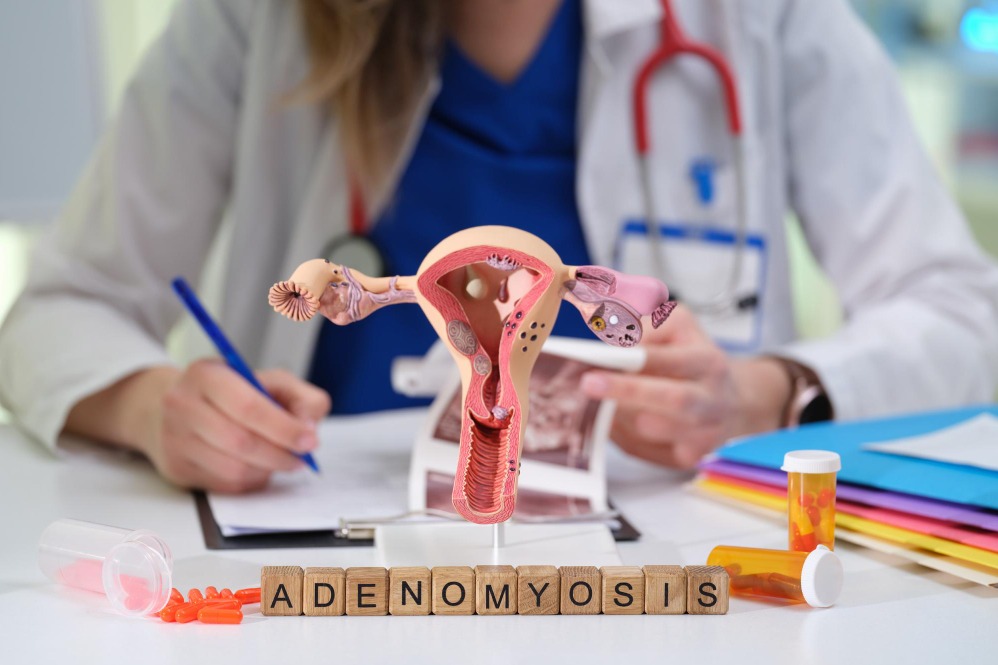
Heavy menstrual bleeding, severe cramps, and persistent pelvic pain are often associated with endometriosis, but another condition called adenomyosis can produce many of the same symptoms. Because these disorders frequently occur together, distinguishing between them is important for choosing the right treatment.
Understanding adenomyosis helps women recognize when symptoms deserve medical attention rather than being accepted as a normal part of menstruation.
What Is Adenomyosis?
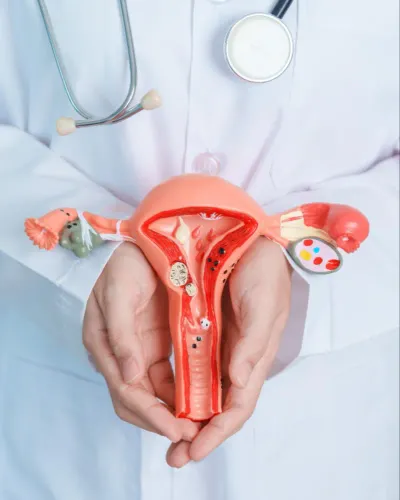
Adenomyosis occurs when tissue similar to the lining of the uterus grows into the muscular wall of the uterus. During each menstrual cycle, this tissue responds to hormonal changes, causing the uterus to become enlarged, tender, and painful.
Unlike endometriosis, which develops outside the uterus, adenomyosis remains within the uterine muscle.
The condition is most commonly diagnosed in women during their reproductive years but may affect women of different ages.
Common Symptoms of Adenomyosis
Symptoms vary from one woman to another. Some women have mild discomfort, while others experience symptoms that interfere significantly with daily life.
Common signs include:
- Heavy menstrual bleeding
- Severe menstrual cramps
- Chronic pelvic pain
- Prolonged menstrual periods
- Passing blood clots
- Pain during sexual intercourse
- A feeling of pressure in the lower abdomen
- Enlarged or tender uterus
These symptoms often become progressively worse over time.
What Causes Adenomyosis?
The exact cause remains uncertain, but researchers believe several factors may contribute.
Possible causes include:
- Hormonal influences
- Previous uterine surgery
- Childbirth-related changes
- Inflammation of the uterine lining
- Natural aging of uterine tissue
Although the precise mechanism is still being studied, early diagnosis helps prevent prolonged discomfort.
How Is Adenomyosis Diagnosed?
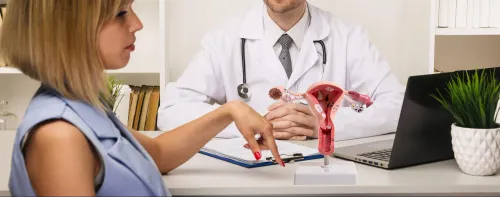
Diagnosis begins with a detailed medical history and physical examination.
Your doctor may recommend:
- Pelvic examination
- Ultrasound
- MRI when additional detail is required
- Evaluation of menstrual history
- Assessment for associated endometriosis
Advanced imaging allows doctors to distinguish adenomyosis from fibroids and other gynecological conditions.
Adenomyosis and Endometriosis
Many women have both conditions simultaneously.
When this happens, symptoms may include:
- Severe pelvic pain
- Heavy bleeding
- Infertility
- Pain during intercourse
- Chronic fatigue
Because the conditions overlap, comprehensive evaluation by an experienced gynecological specialist is essential for developing an effective treatment plan.
Treatment Options
Treatment depends on several factors, including age, symptom severity, future pregnancy plans, and overall health.
Management may include:
Medication
Doctors may prescribe medications to reduce pain and control heavy menstrual bleeding.
Hormonal Therapy
Hormonal treatment can help suppress symptoms by reducing menstrual activity in selected patients.
Minimally Invasive Surgery
When conservative treatment is ineffective or adenomyosis occurs alongside significant endometriosis, minimally invasive surgical procedures may be considered depending on the patient's fertility goals.
Individualized Care
Every treatment plan should balance symptom relief with preservation of reproductive health whenever possible.
When Should You Consult a Specialist?
Medical evaluation is recommended if you experience:
- Heavy periods every month
- Severe menstrual pain
- Persistent pelvic discomfort
- Symptoms affecting work or daily life
- Difficulty becoming pregnant
- Recurring pain despite medication
Women in Pune with suspected adenomyosis or coexisting endometriosis often benefit from specialist assessment because both conditions require careful diagnosis and individualized management. Dr. Mahindra Borse evaluates women using advanced imaging, clinical expertise, and minimally invasive treatment approaches tailored to their symptoms and reproductive goals.
Adenomyosis is a treatable condition, and women do not need to accept severe pain or heavy bleeding as part of everyday life. Early diagnosis and appropriate treatment can significantly improve comfort, reproductive health, and overall quality of life for women across Pune and Maharashtra.